
The world's best muck diving
Small critters, big colours — the macro photographer's playground.
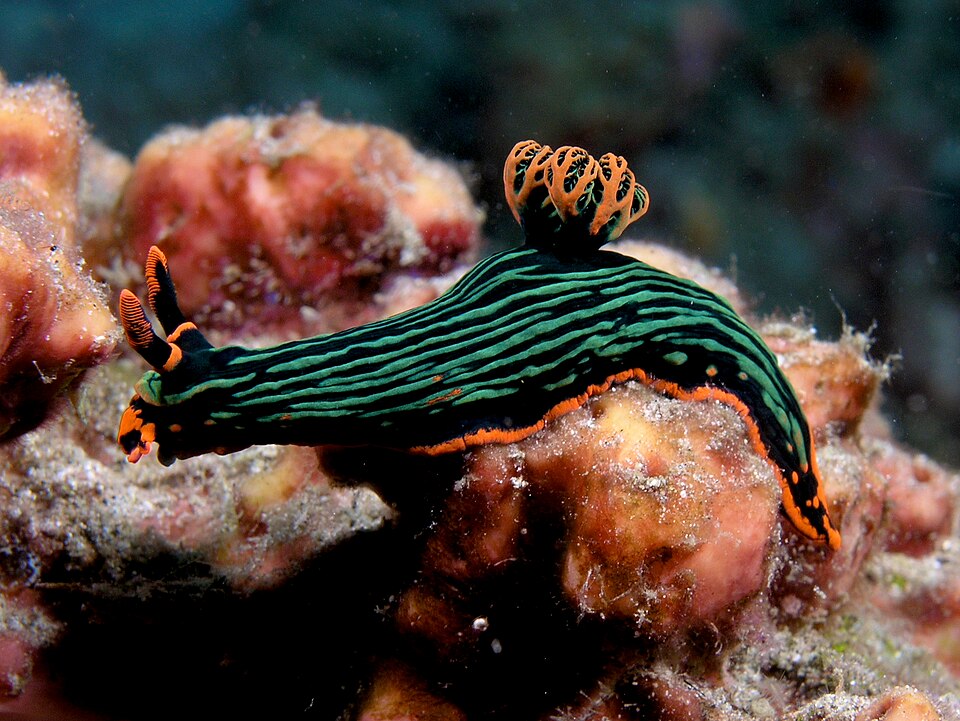
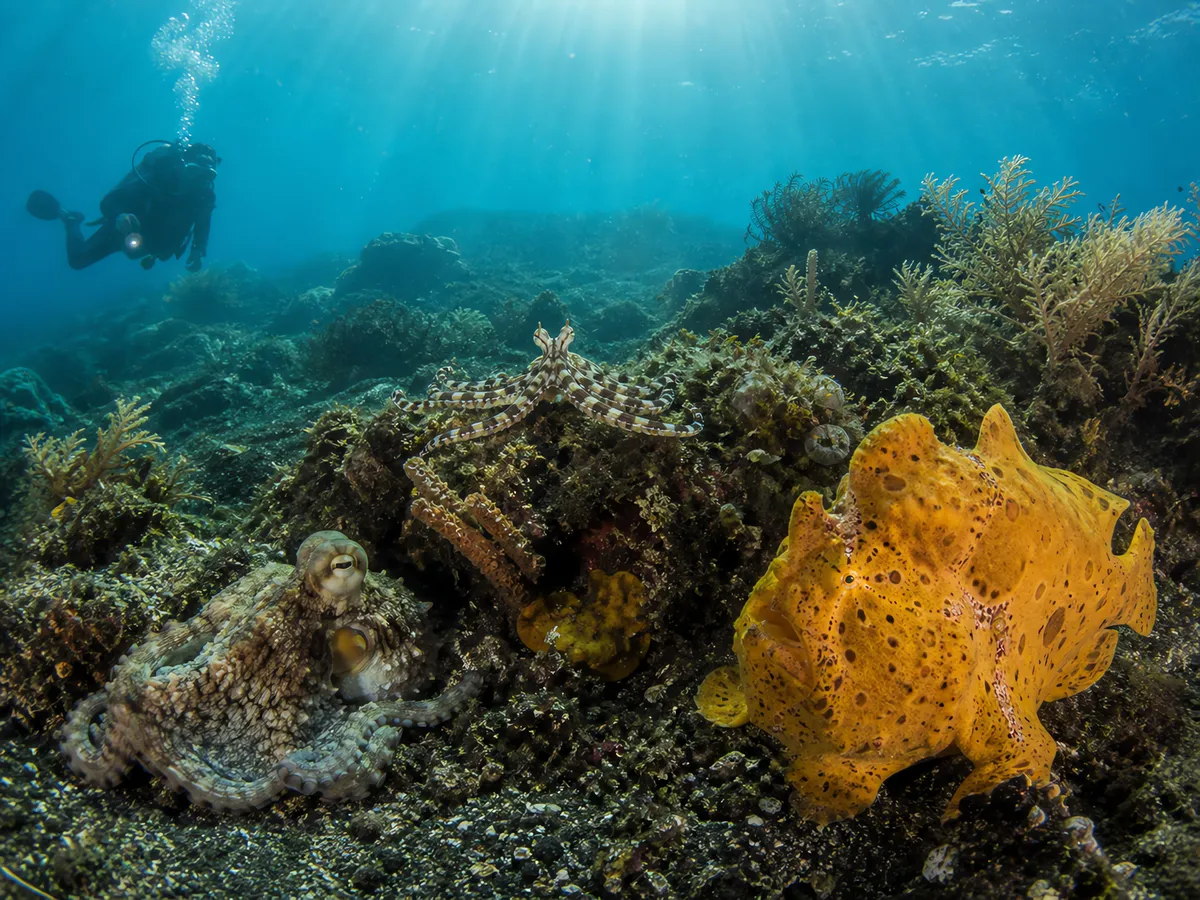
Muck diving means exploring soft, sandy or silty seabeds in search of the weird, wonderful and tiny. The creatures are small — nudibranchs, frogfish, mimic octopus, ghost pipefish — but the colours and behaviour are extraordinary.
It's a slow, controlled style of diving. You hover and scan rather than cover distance, which is also why it's such a draw for macro photographers.
Our list ranks the muck-diving sites in the database by overall score, so you can find the strongest spots for this style of diving.
Top sites for this
7 recommended
Puerto Galera
Wall-and-reef diving with 4 standout species — ideal for newcomers.

Raja Ampat
Wall-and-reef diving with visibility up to 25 m, 4 standout species, liveaboard access — a great fit for most divers.

Lembeh Strait
Macro and muck diving with 4 standout species — a great fit for most divers.

Anilao
Macro and muck diving with 4 standout species — a great fit for most divers.

Mabul Island
Macro and muck diving with 4 standout species — a great fit for most divers.
Ambon Bay
Macro and muck diving with 4 standout species — a great fit for most divers.
Alor Island
Drift diving with 4 standout species, liveaboard access, challenging currents — a strong choice for experienced divers.
Frequently asked
Why is it called muck diving?
Because you're usually hovering over soft sediment — 'muck' — instead of coral reef. The water is often calm and the action is in the detail.
Do I need special gear?
A macro lens and a focus light hugely improve it, but you can enjoy it with any setup. The diving itself uses standard gear.
Is muck diving safe?
Generally yes — it's normally calm, shallow and low-current, which is also why it suits photographers who need a steady platform.