
Deep diving and when you need more training
The 18-metre line and what changes beyond it.
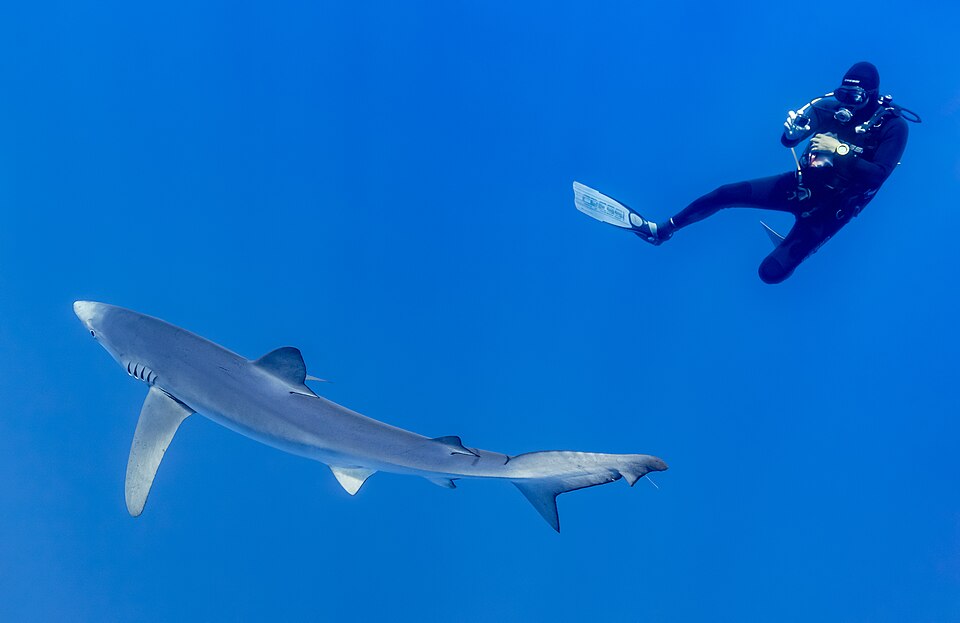
Every recreational scuba certification has a depth limit, and the first one you're likely to hit is the 18-metre line that comes with Open Water. Beyond it, the way you plan and manage a dive changes — and so does the risk.
Going deeper isn't just "more of the same". The water pressure rises, the gas you breathe changes what it does to your body, and the decompression obligation grows. This is why agencies push you into an Advanced course before the signs allow the jump to 30 metres.
The list below pulls the deeper, more challenging sites from our database, ranked by overall score. Check the certification requirement on each site page before you commit.
The depth ladder
A typical Open Water course qualifies you to 18 metres. The Advanced Open Water course adds an elective that brings qualifying divers to 30 metres. Beyond that, you're into sub-30-metre territory usually served by a deep-diving specialty and often technical — or "tech" — diving with decompression.
Nitrogen narcosis and gas
At depth, the nitrogen in air becomes narcotic — the deeper you go, the more it affects thinking and judgement. Deep divers often switch the gas (for example, heliox or trimix) or accept the narcotic effect and plan accordingly. This is a big part of why coping with depth is a skill you're trained into, not born with.
Decompression obligation
A deep dive uses up no-stop time quickly; stay down too long and you owe decompression stops on the way up. Recreational divers use a dive computer to track this and keep within the no-decompression window. Ignore it and you risk a hit — the single most avoidable serious injury in diving.
Top sites for this
12 recommended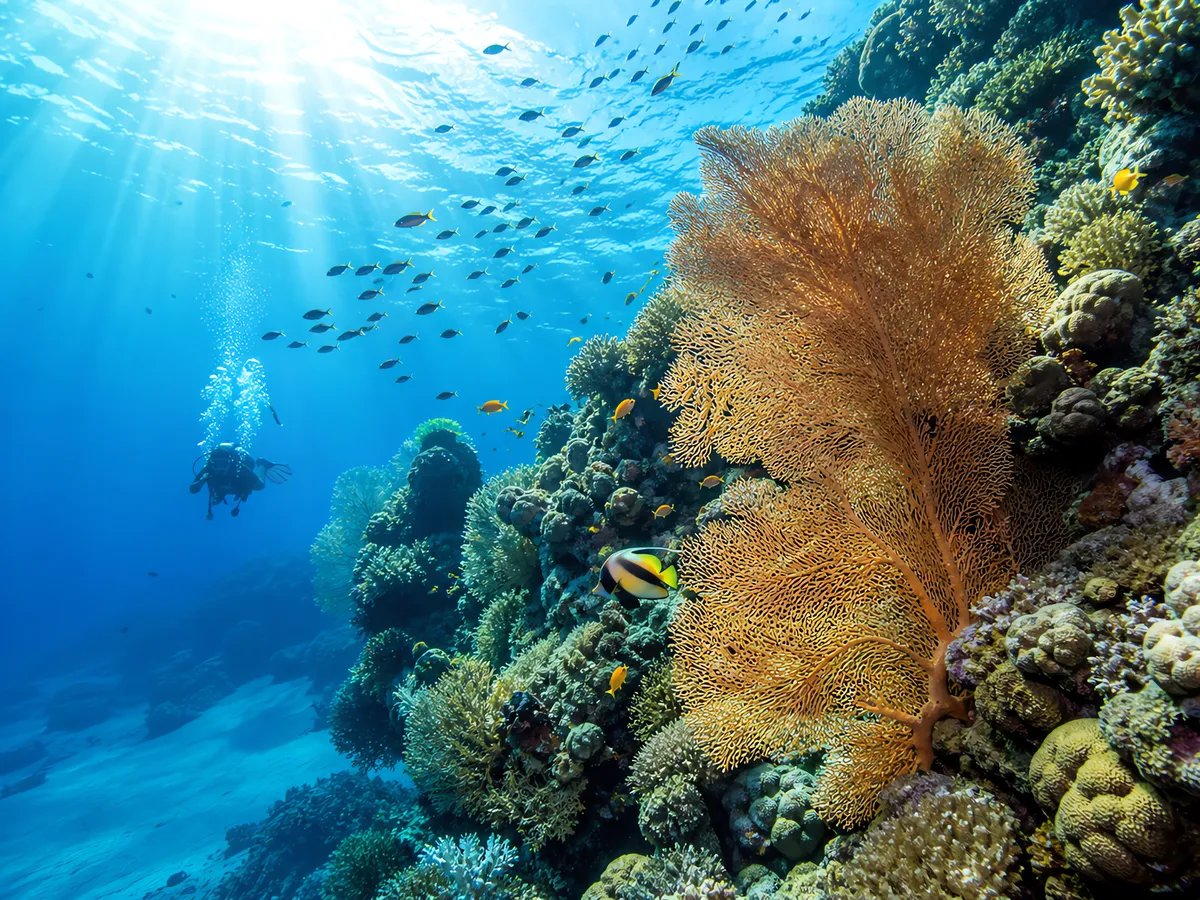
Ras Mohammed National Park
Wall-and-reef diving with visibility up to 30 m, 4 standout species — a great fit for most divers.
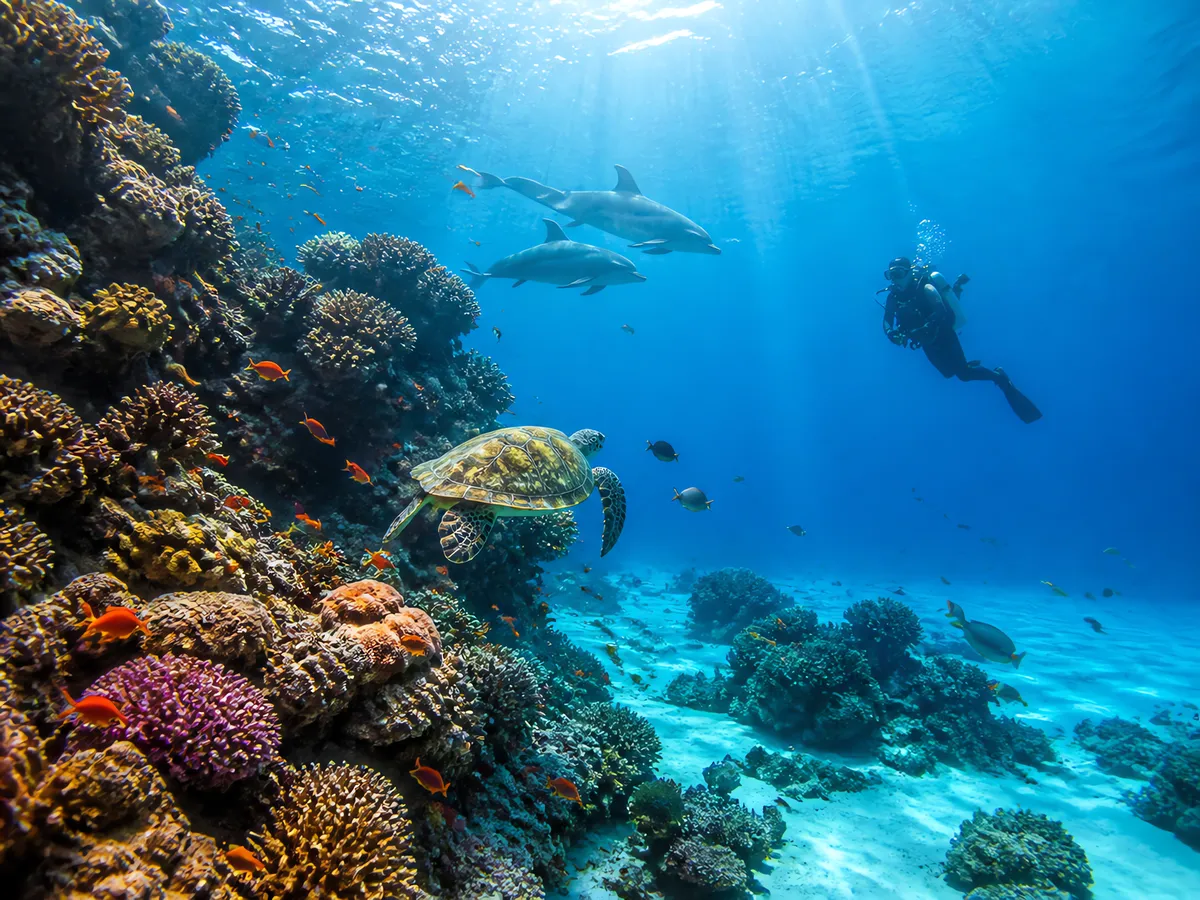
Marsa Alam
Wall-and-reef diving with visibility up to 30 m, 4 standout species — a strong choice for experienced divers.
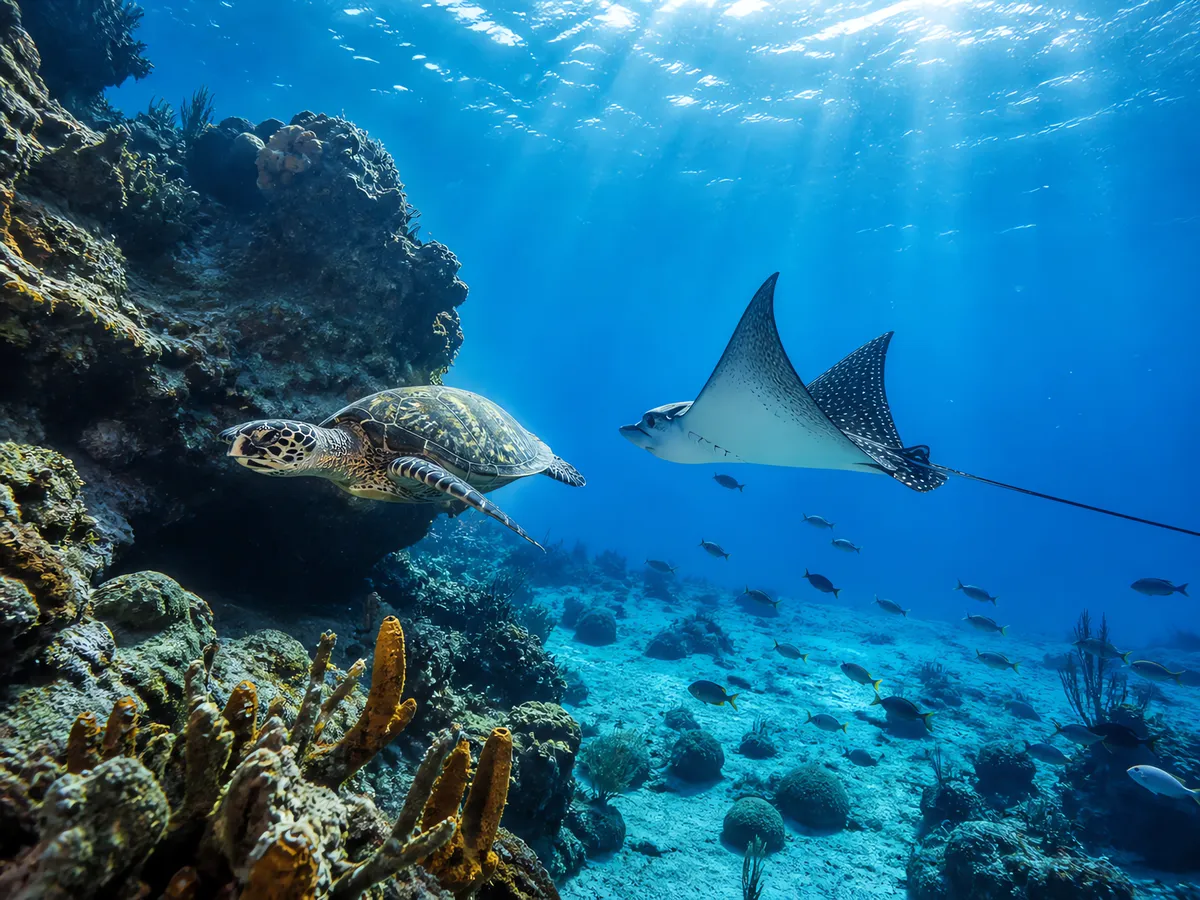
Cozumel Marine Park
Wall-and-reef diving with visibility up to 30 m, 4 standout species — a great fit for most divers.
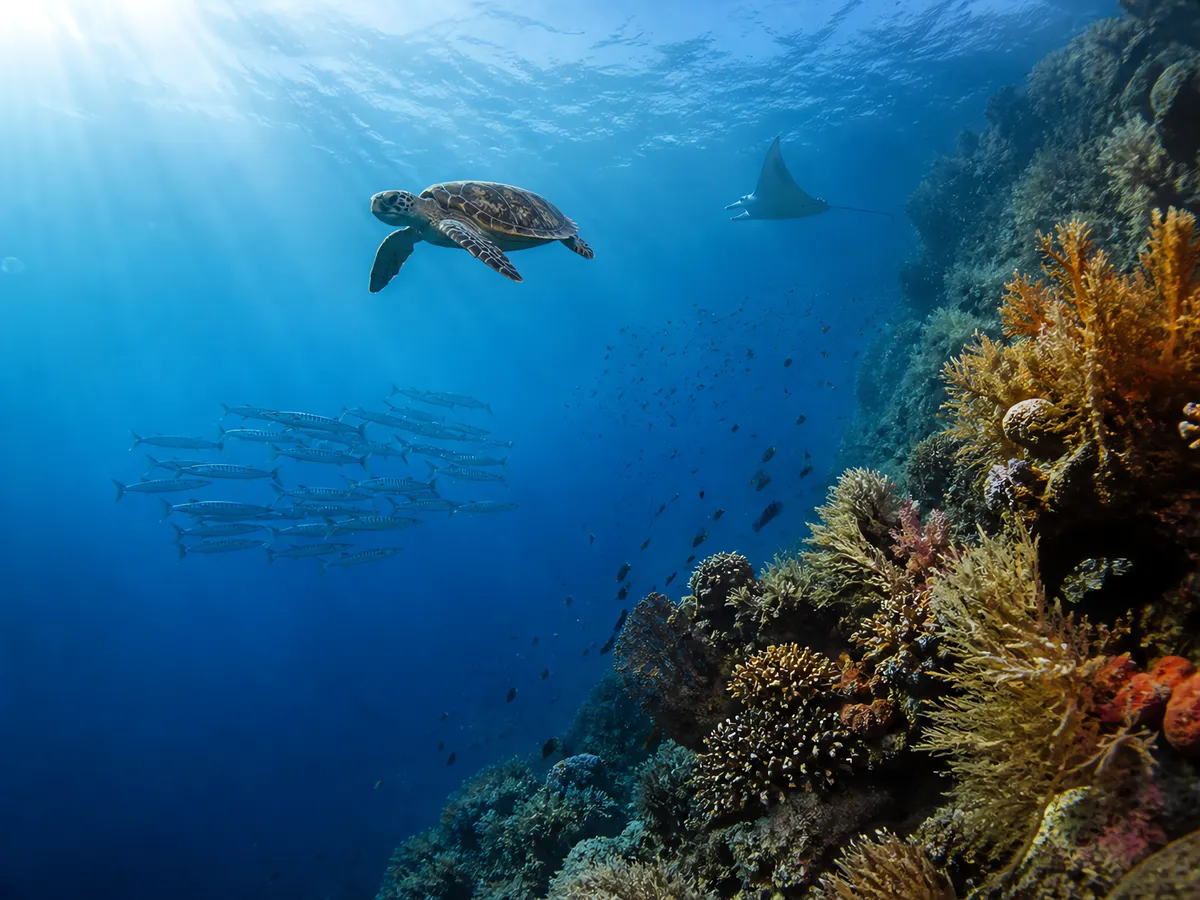
Bunaken Marine Park
Wall-and-reef diving with visibility up to 30 m, 4 standout species — a strong choice for experienced divers.
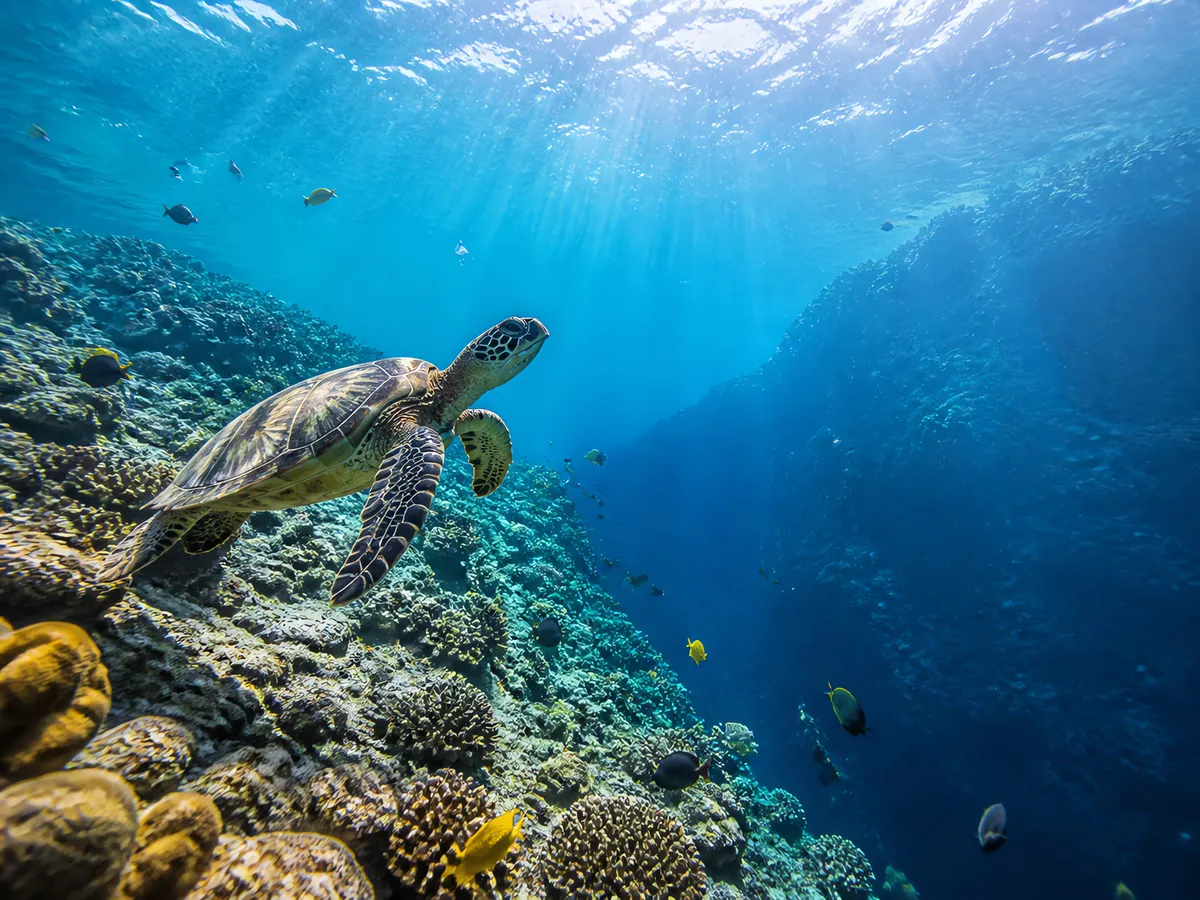
Molokini Crater
Wall-and-reef diving with visibility up to 30 m — ideal for newcomers.
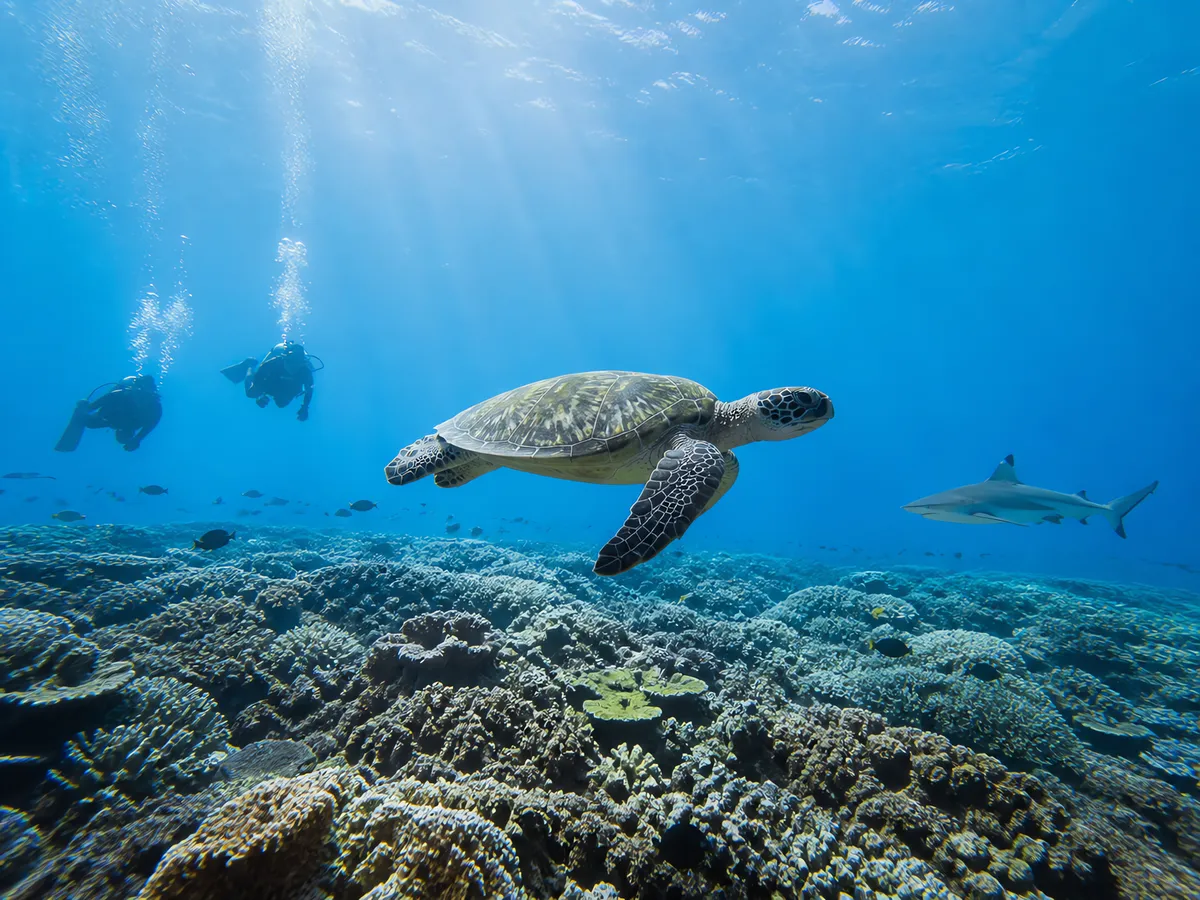
Miyako Islands
Drift diving with visibility up to 30 m — ideal for newcomers.
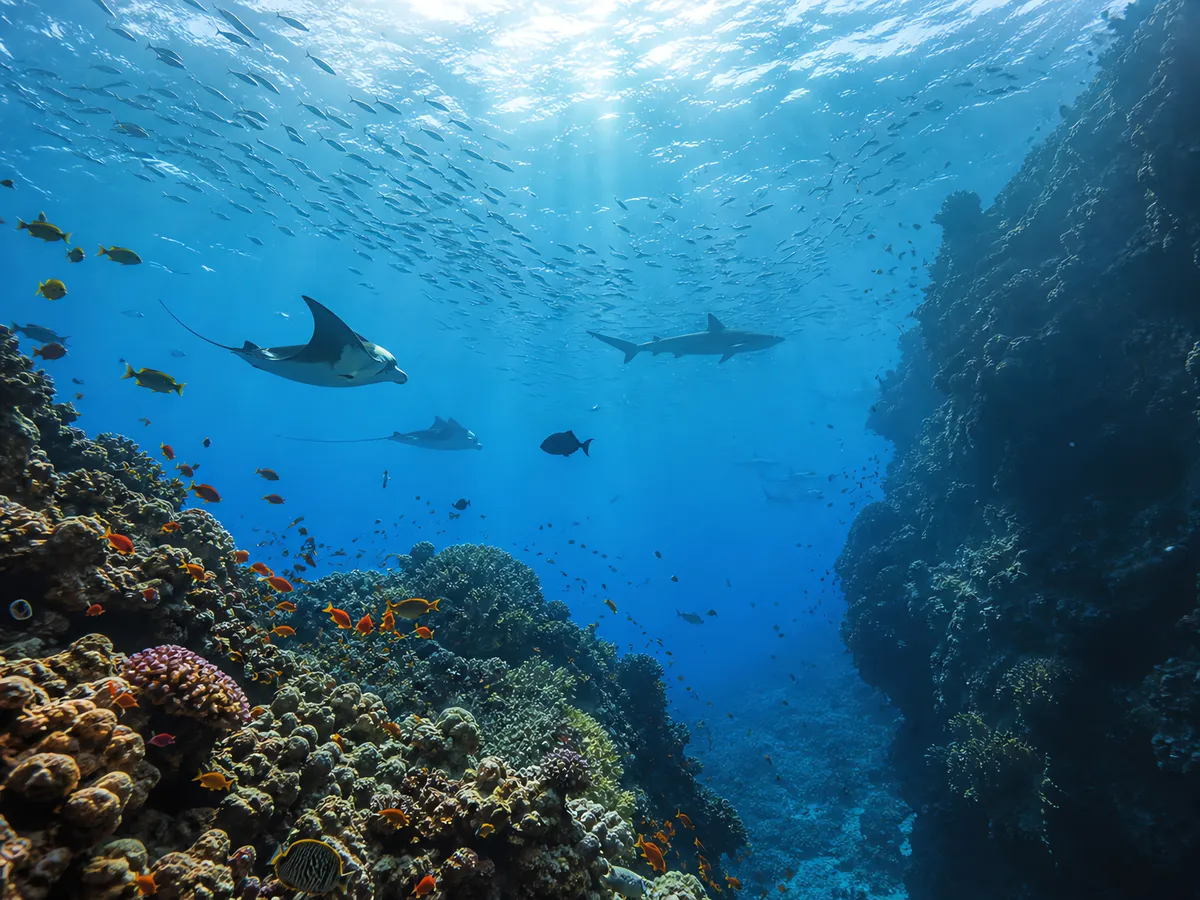
Elphinstone Reef
Wall-and-reef diving with visibility up to 30 m, 4 standout species, liveaboard access, challenging currents — a strong choice for experienced divers.
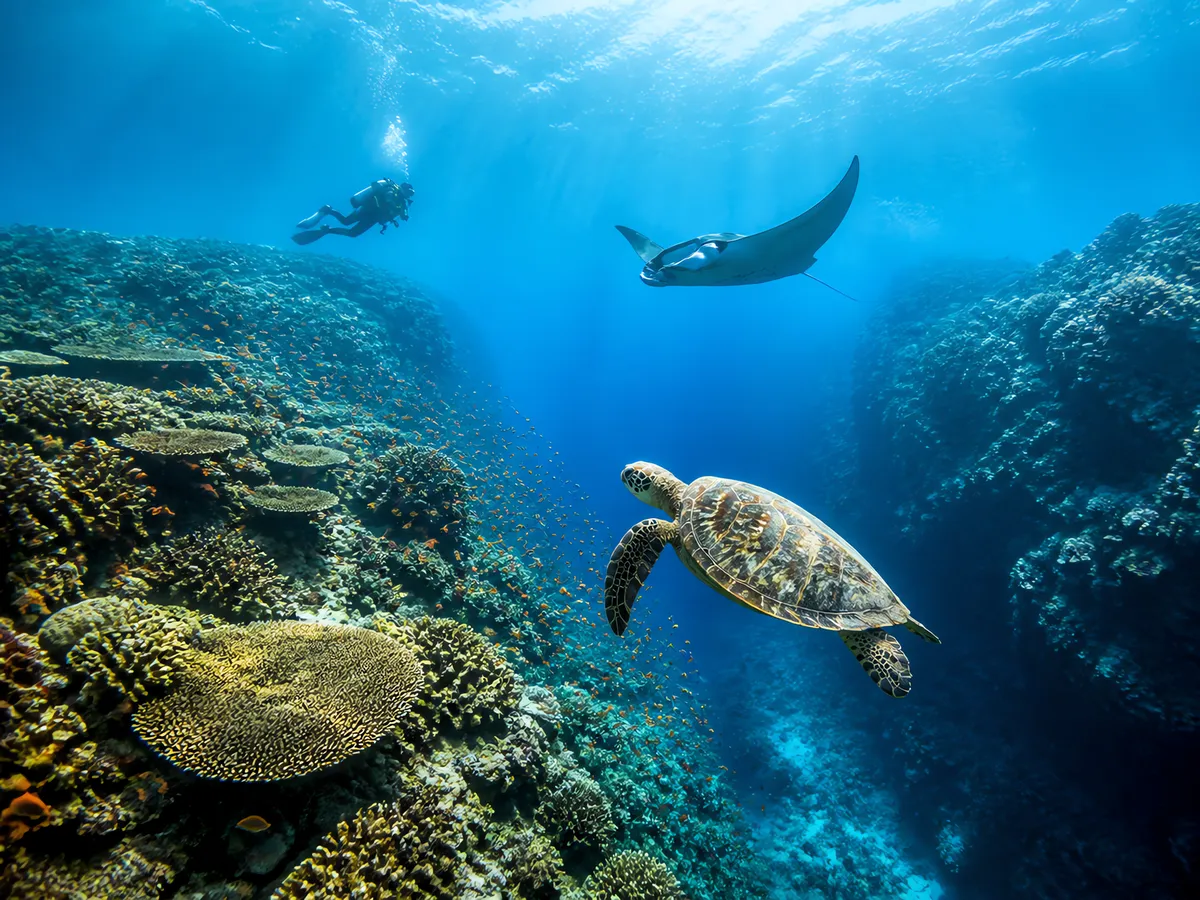
Kerama Islands
Wall-and-reef diving with visibility up to 35 m — a great fit for most divers.
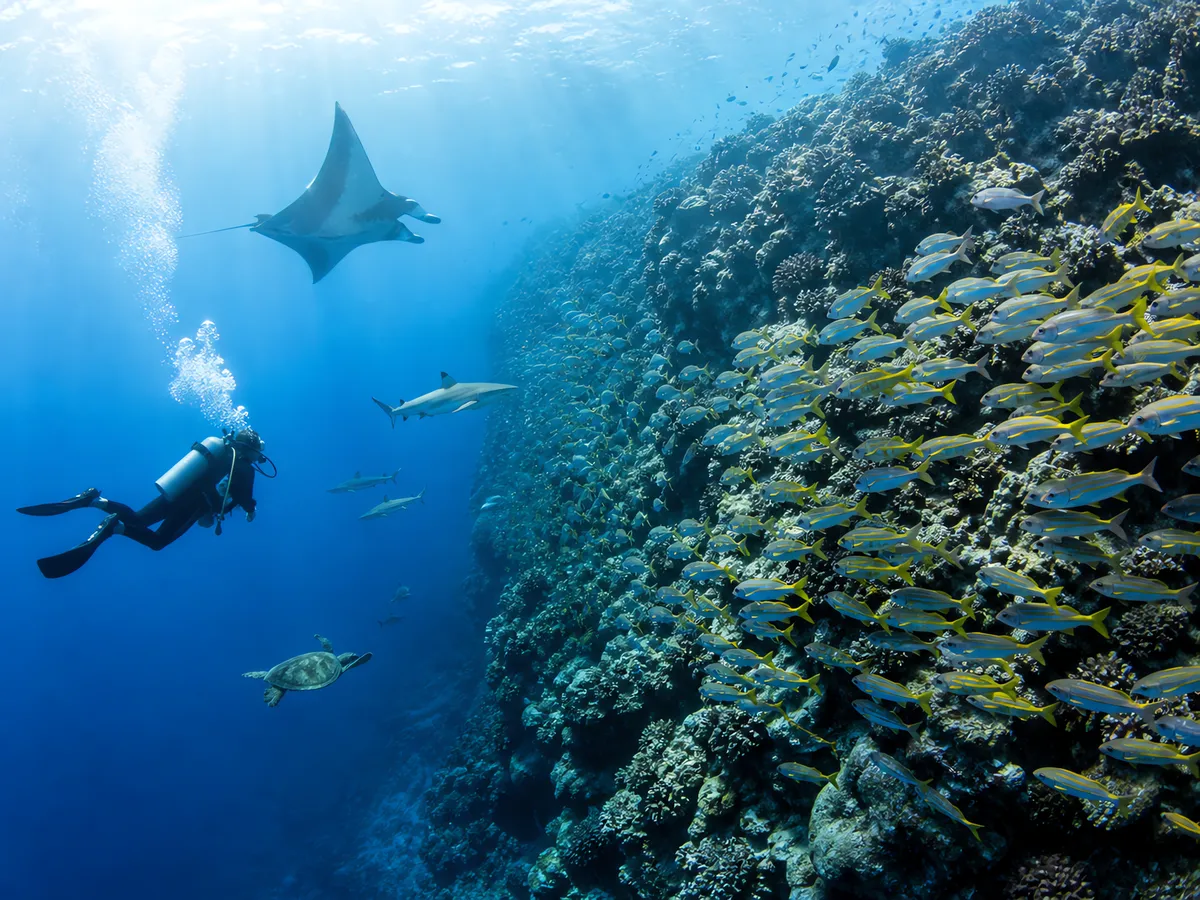
Blue Corner
Wall-and-reef diving with visibility up to 30 m, 4 standout species, challenging currents — a strong choice for experienced divers.
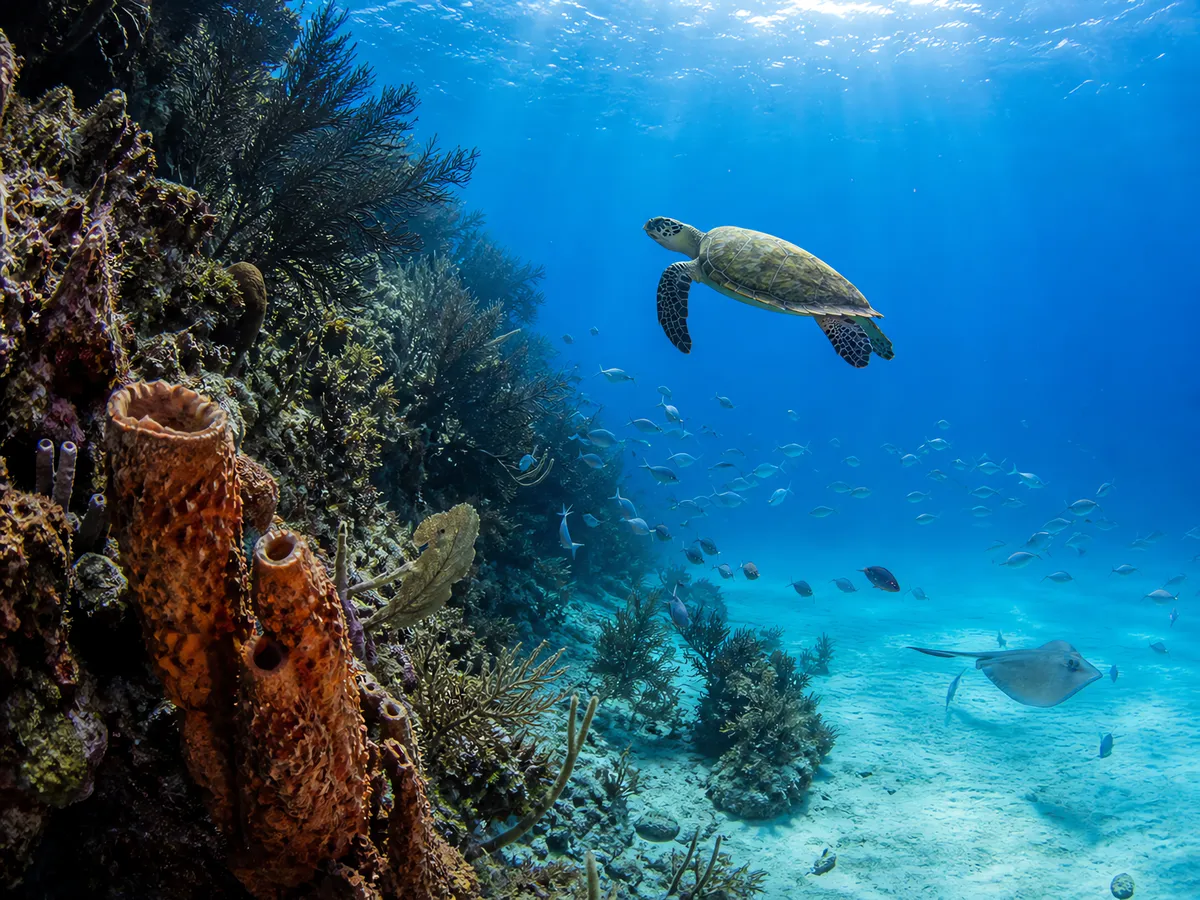
Bloody Bay Wall
Wall-and-reef diving with visibility up to 35 m, 4 standout species — a great fit for most divers.
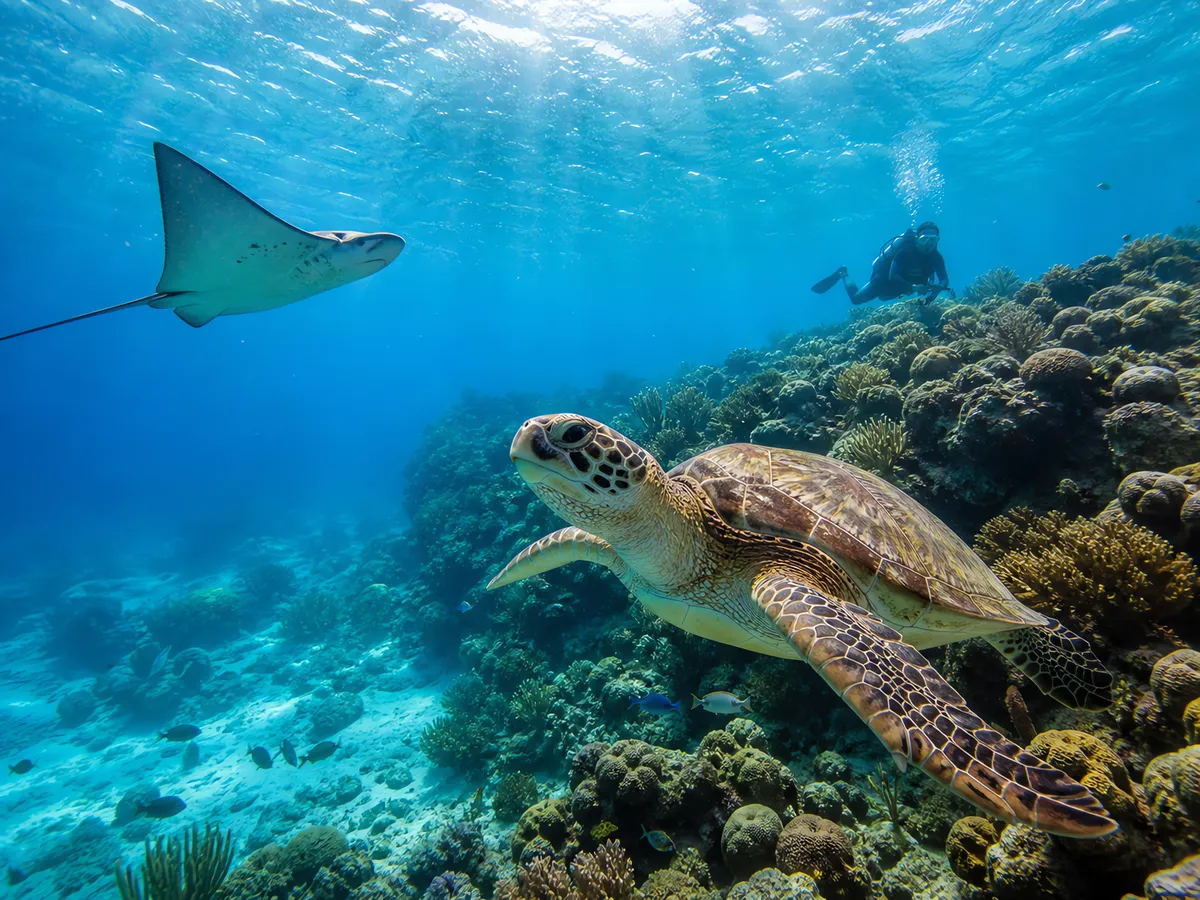
Grace Bay
Wall-and-reef diving with visibility up to 30 m — a great fit for most divers.
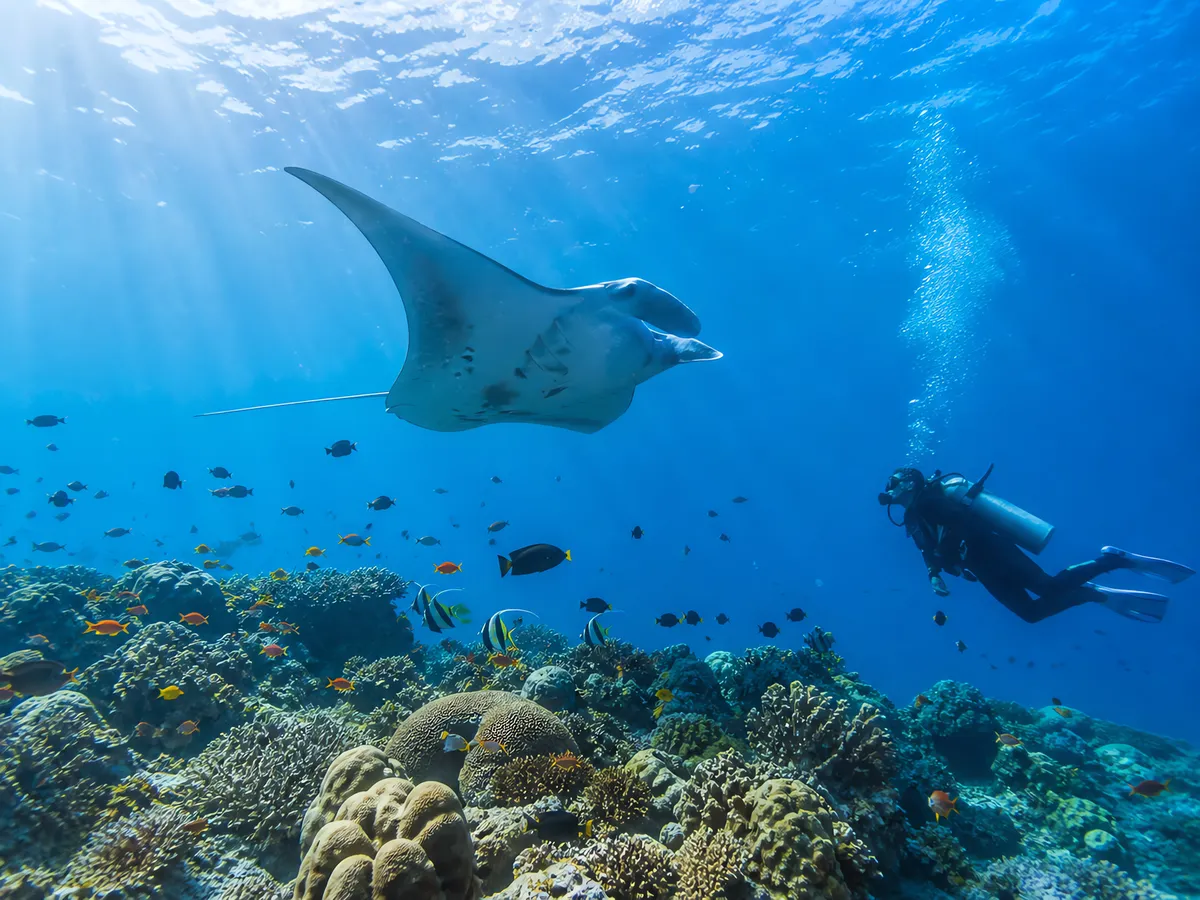
Nusa Lembongan
Drift diving with 4 standout species — ideal for newcomers.
Frequently asked
How deep can an Open Water diver go?
The Open Water standard is 18 metres. Deeper planning requires additional training.
What certification do I need for a 30-metre dive?
An Advanced Open Water course, which includes a deep-dive experience, is the usual qualification for recreational dives around 30 metres.
Is deep diving dangerous?
It carries more risk than a shallow dive, but that risk is well understood and manageable — with proper training, a dive computer, and respect for your no-decompression limits.