
A beginner's guide to shark diving
Why sharks are worth diving with — and how to do it responsibly.
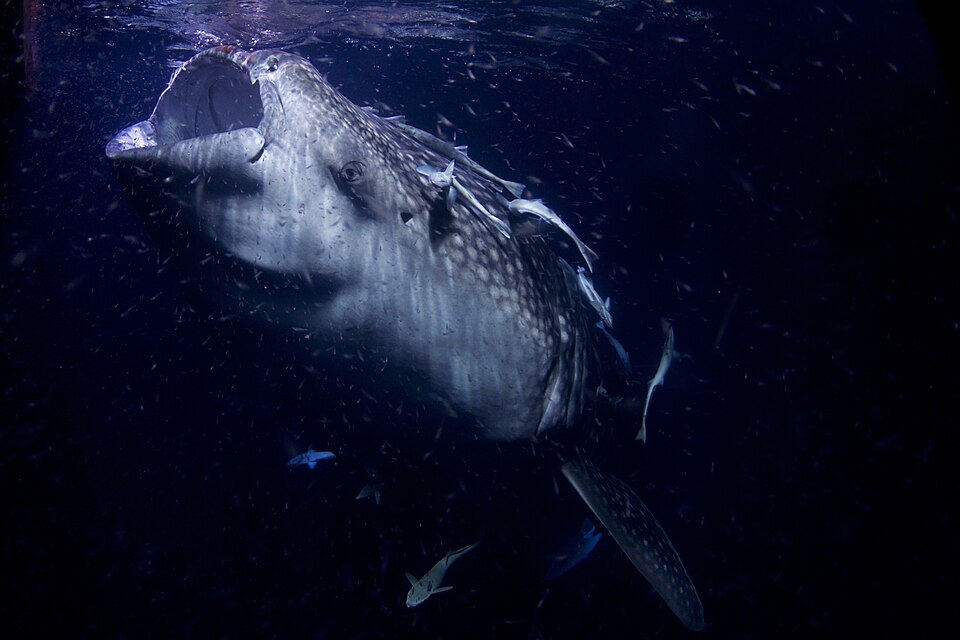
Sharks are the reason many divers first put on a mask. A reef-shark patrol, a hammerhead gliding past on the blue, a whale shark cruising through plankton — these encounters turn an ordinary dive into a memory you keep for years.
Despite their reputation, the species divers actually meet on reefs are mostly shy and non-aggressive. On most shark dives the animals cruise past at a distance, and the experience is closer to a wildlife safari than anything frightening.
The list below pulls the shark-encounter sites from our database, ranked by overall score. Wherever you go, the rule is the same: stay calm, respect the animals, and follow your guide's briefing.
What kind of shark dives are there?
Most dives fall into a few patterns. Reef-shark patrols — often grey reef, blacktip or whitetip reef sharks — happen along walls and drop-offs where the sharks circle a cleaning area. Hammerhead sites are usually deep, blue-water dives in cool water where the big aggregations pass through. Whale sharks and occasionally bull sharks are single-animal encounters, often in warmer water.
What does a shark dive involve?
The diving itself is usually not technical: many shark sites are within Open Water depths. The real skill is behaviour — neutral buoyancy, no chasing, no touching, and staying out of the shark's "flight path". Some sites use a bait station to bring sharks closer; others are purely wild encounters and depend on timing and luck.
Safety and etiquette
Shark dives are generally safe when run by an experienced operator. Listen to the briefing, keep your hands close, and avoid wearing shiny metal that can look like a fish flash. The biggest risk is not the shark — it's a diver trying to get a closer photo.
Top sites for this
12 recommended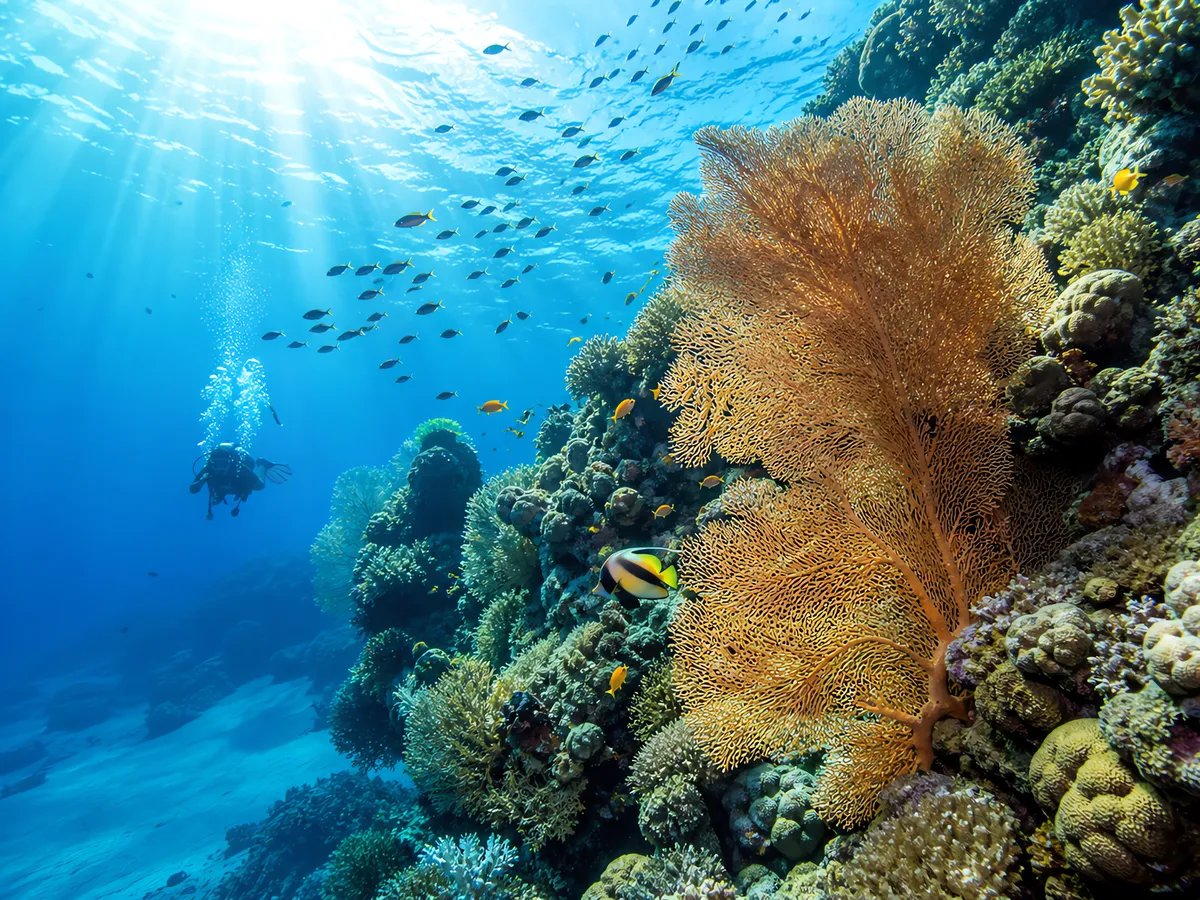
Ras Mohammed National Park
Wall-and-reef diving with visibility up to 30 m, 4 standout species — a great fit for most divers.
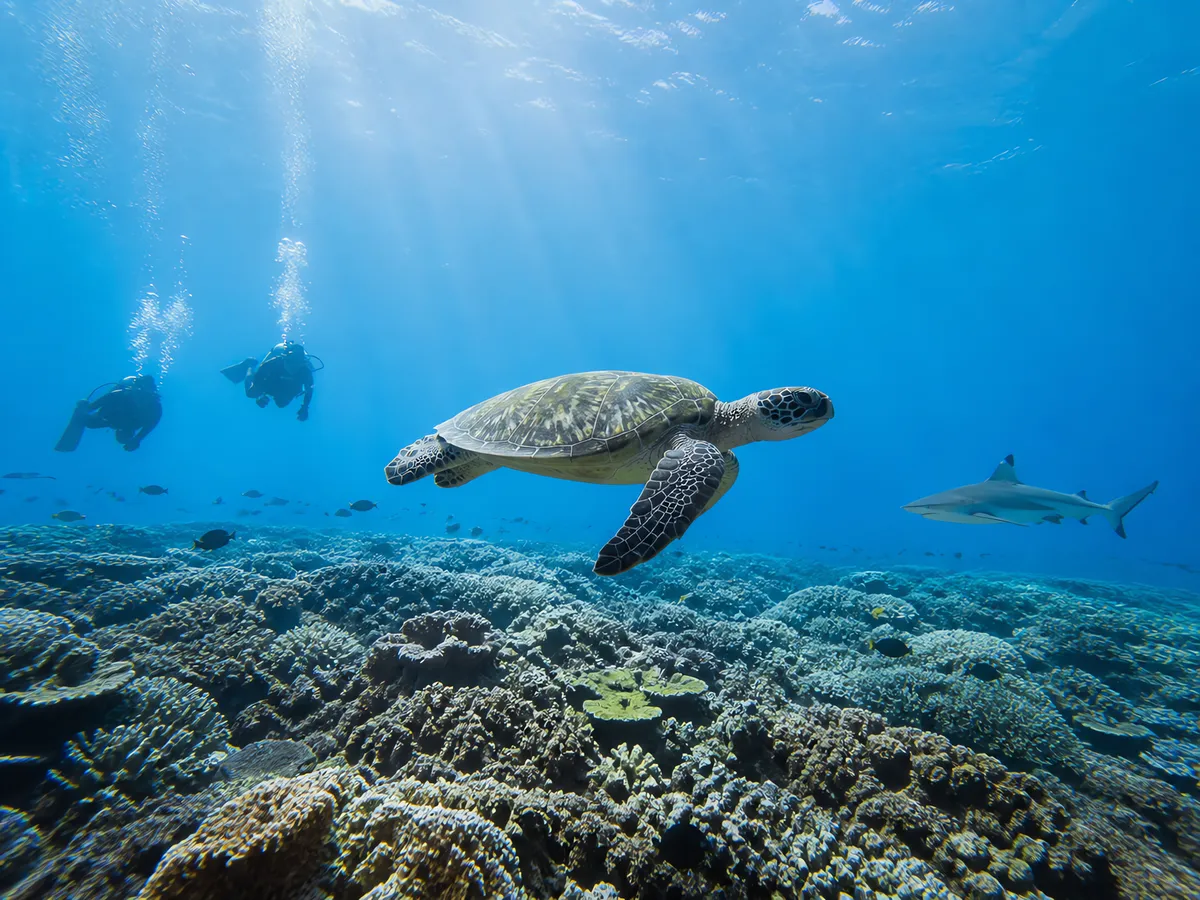
Miyako Islands
Drift diving with visibility up to 30 m — ideal for newcomers.
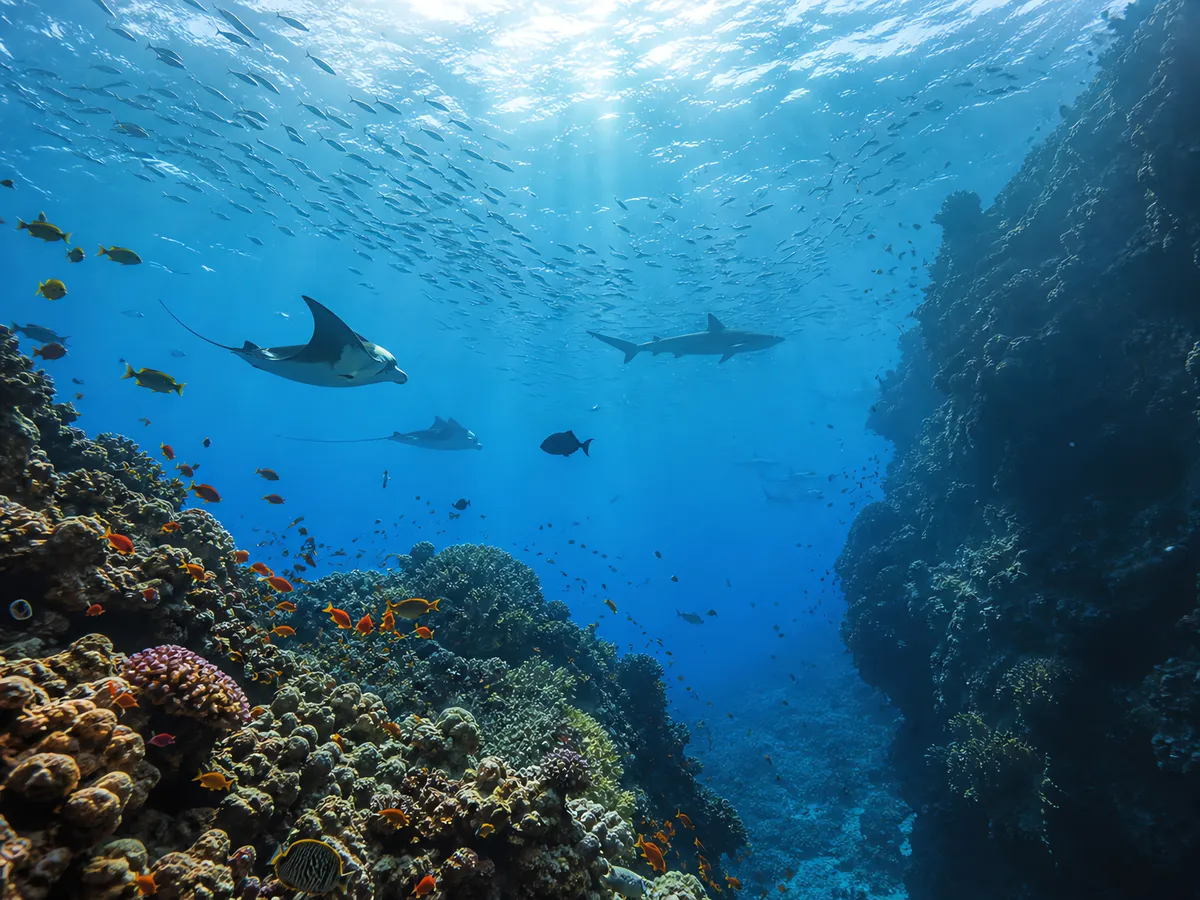
Elphinstone Reef
Wall-and-reef diving with visibility up to 30 m, 4 standout species, liveaboard access, challenging currents — a strong choice for experienced divers.
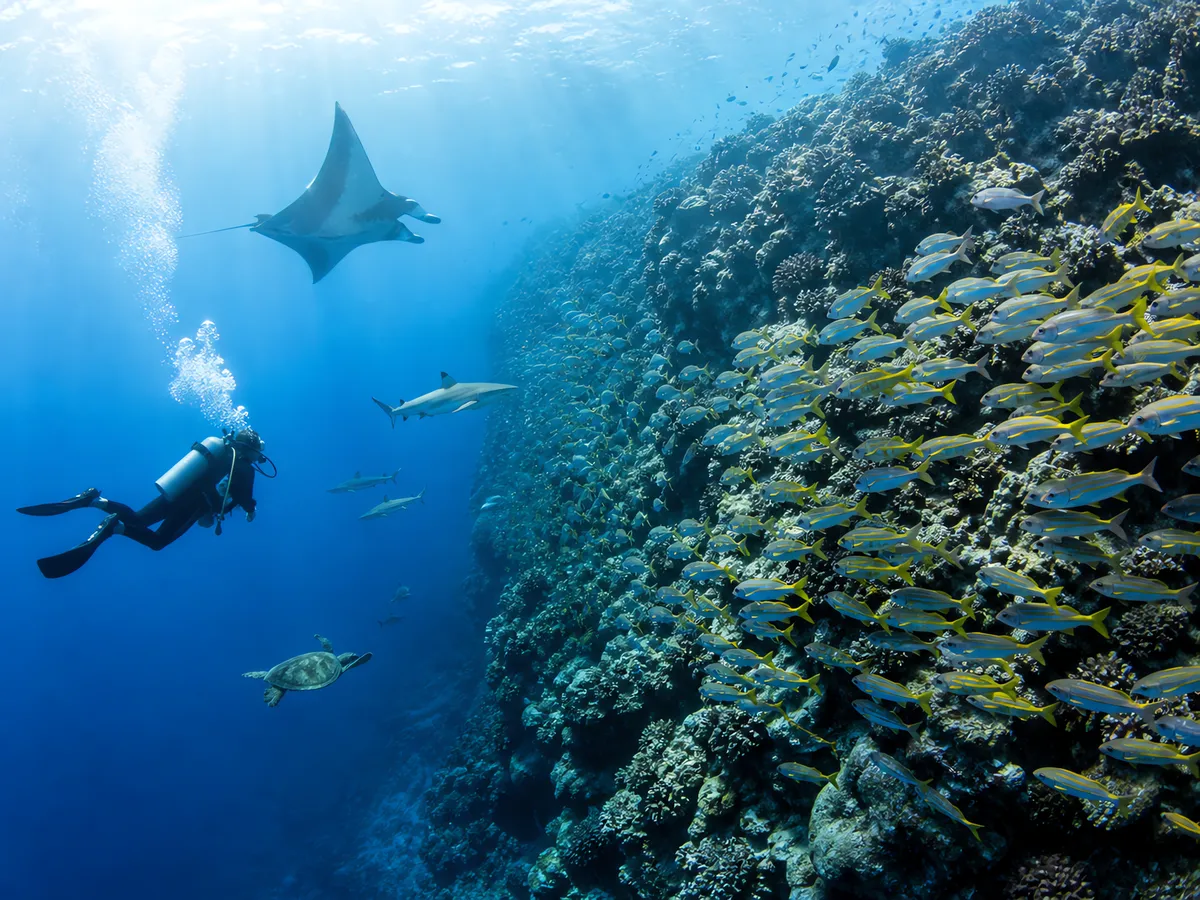
Blue Corner
Wall-and-reef diving with visibility up to 30 m, 4 standout species, challenging currents — a strong choice for experienced divers.
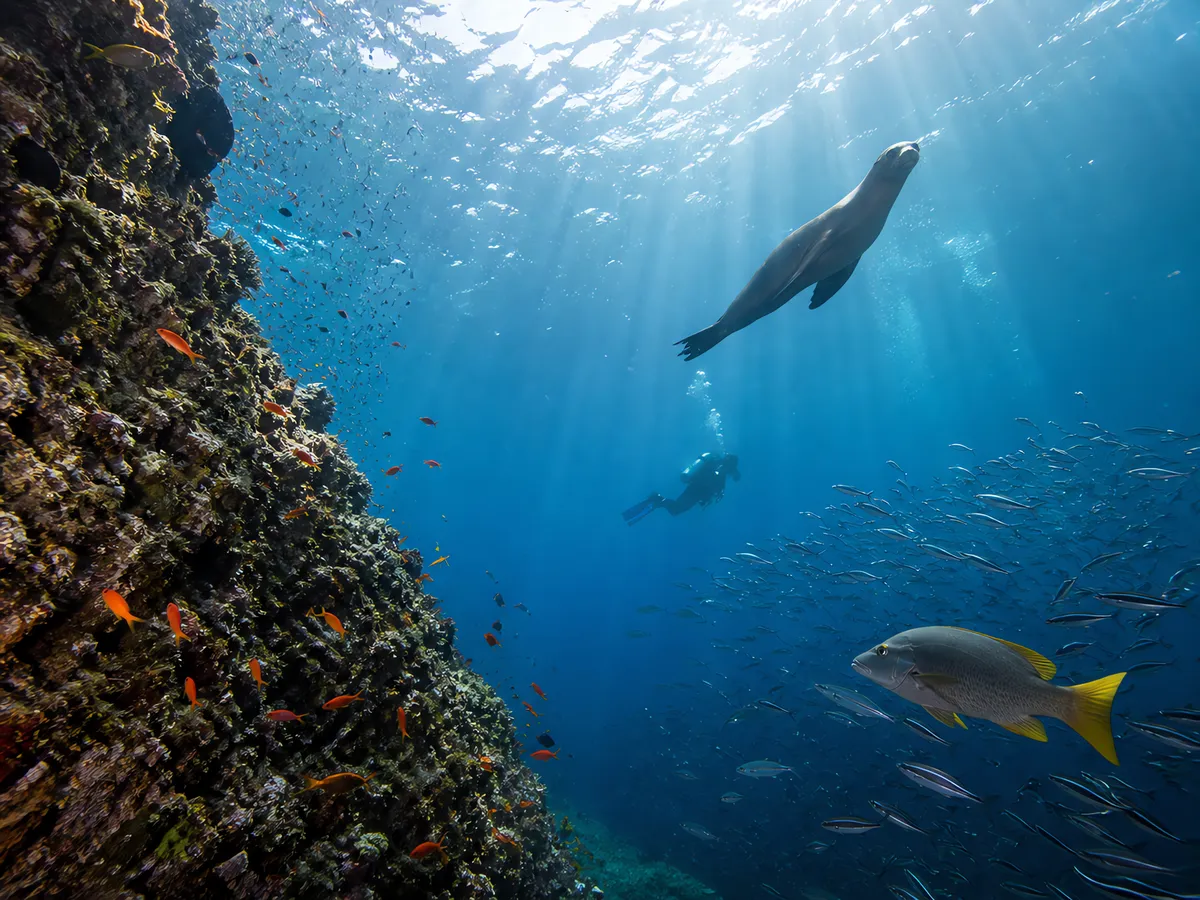
Cabo San Lucas
Wall-and-reef diving with 4 standout species, challenging currents — a strong choice for experienced divers.
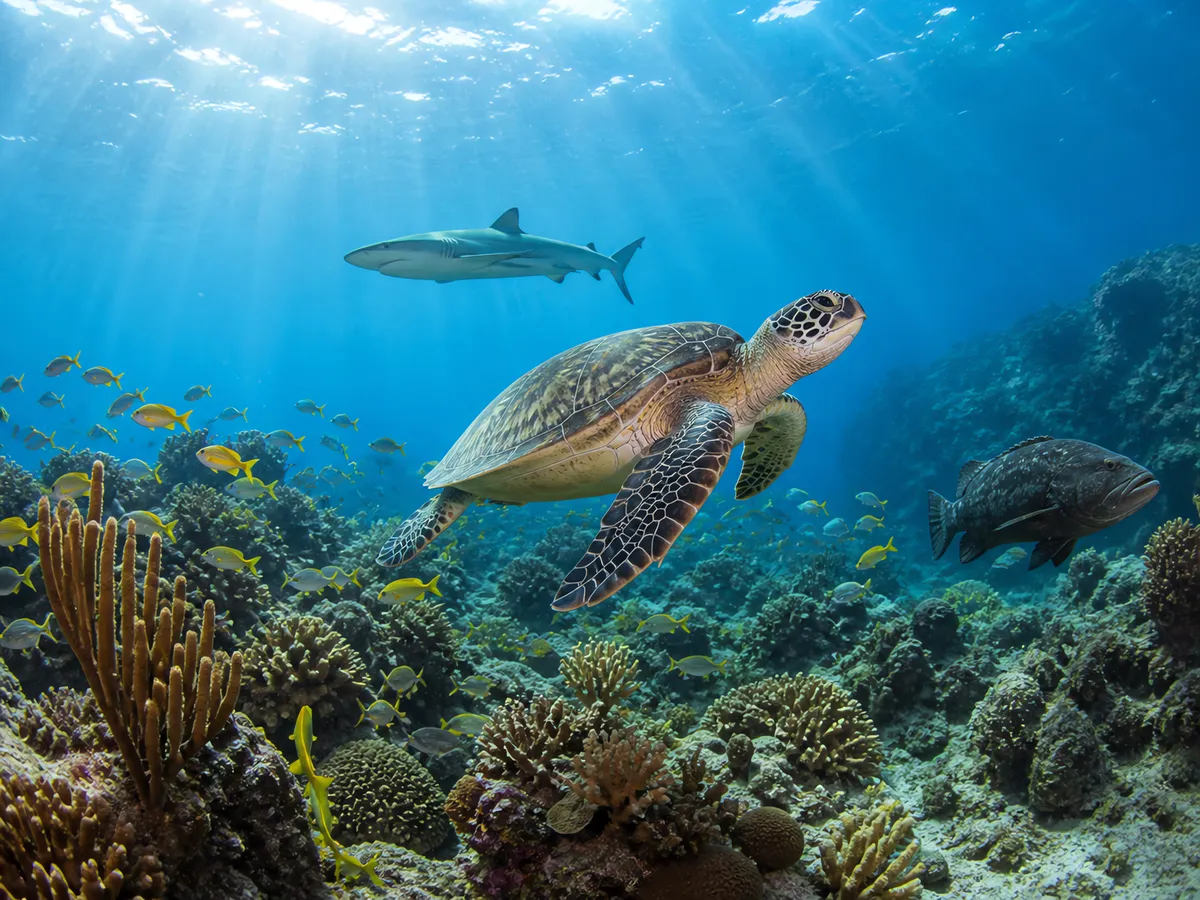
Molasses Reef
Reef diving with 4 standout species — ideal for newcomers.
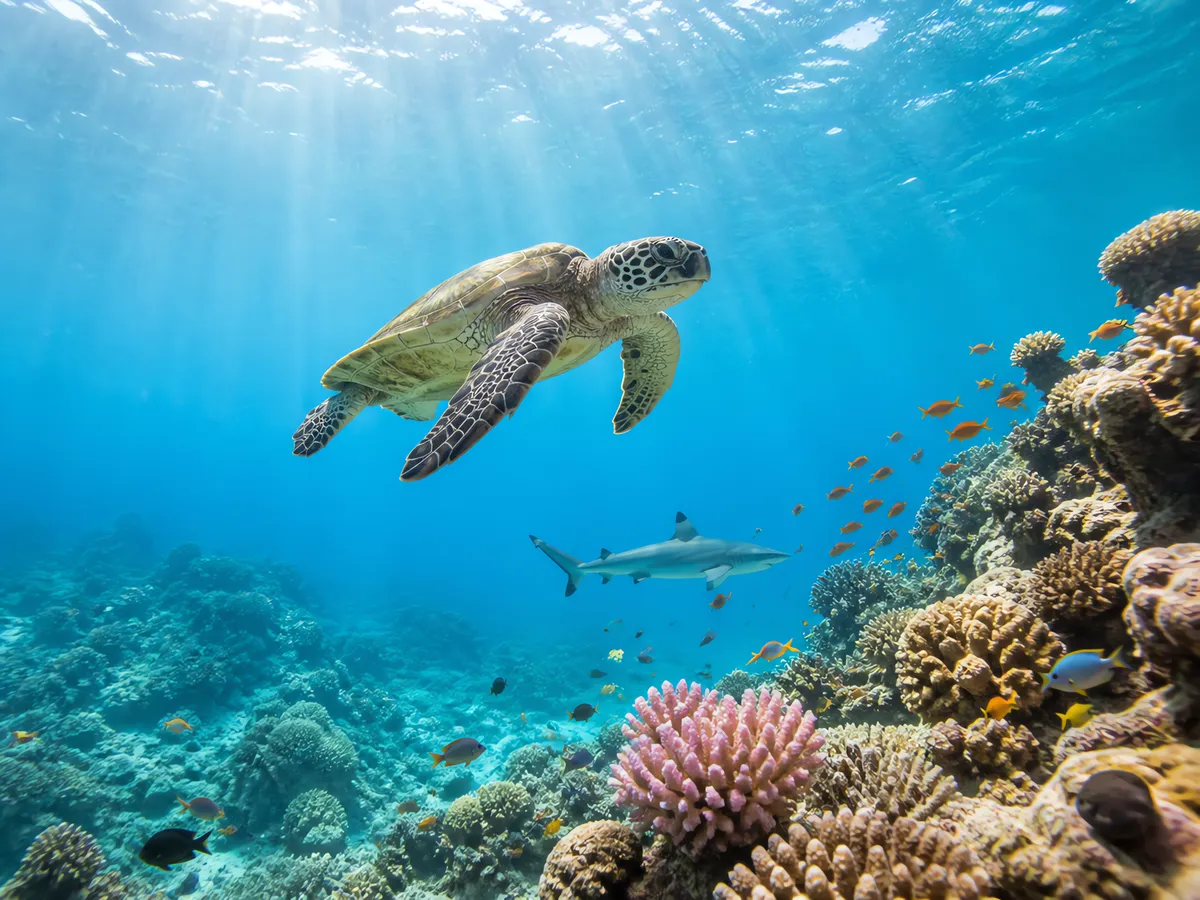
Gili Islands
Reef diving with a well-rounded site — ideal for newcomers.
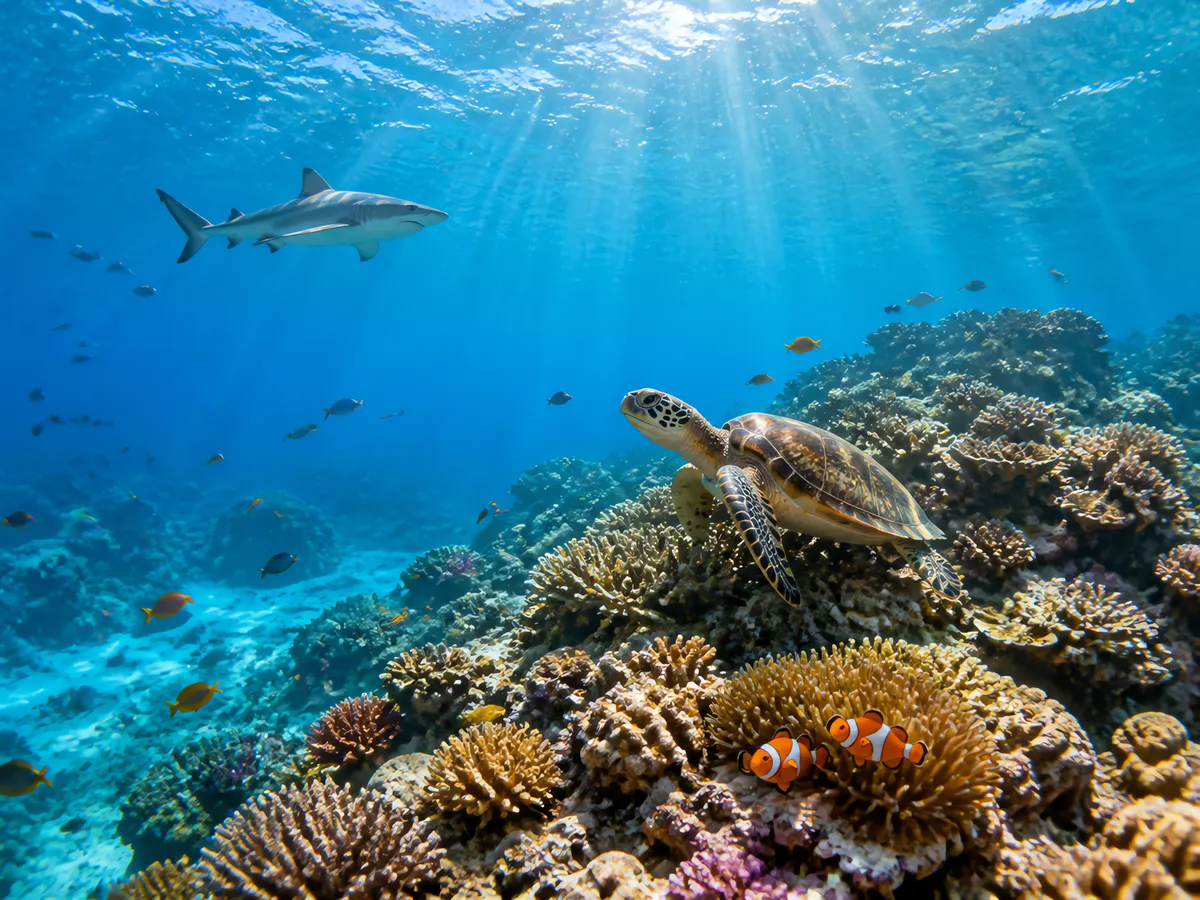
Agincourt Reef
Reef diving with 4 standout species — a great fit for most divers.
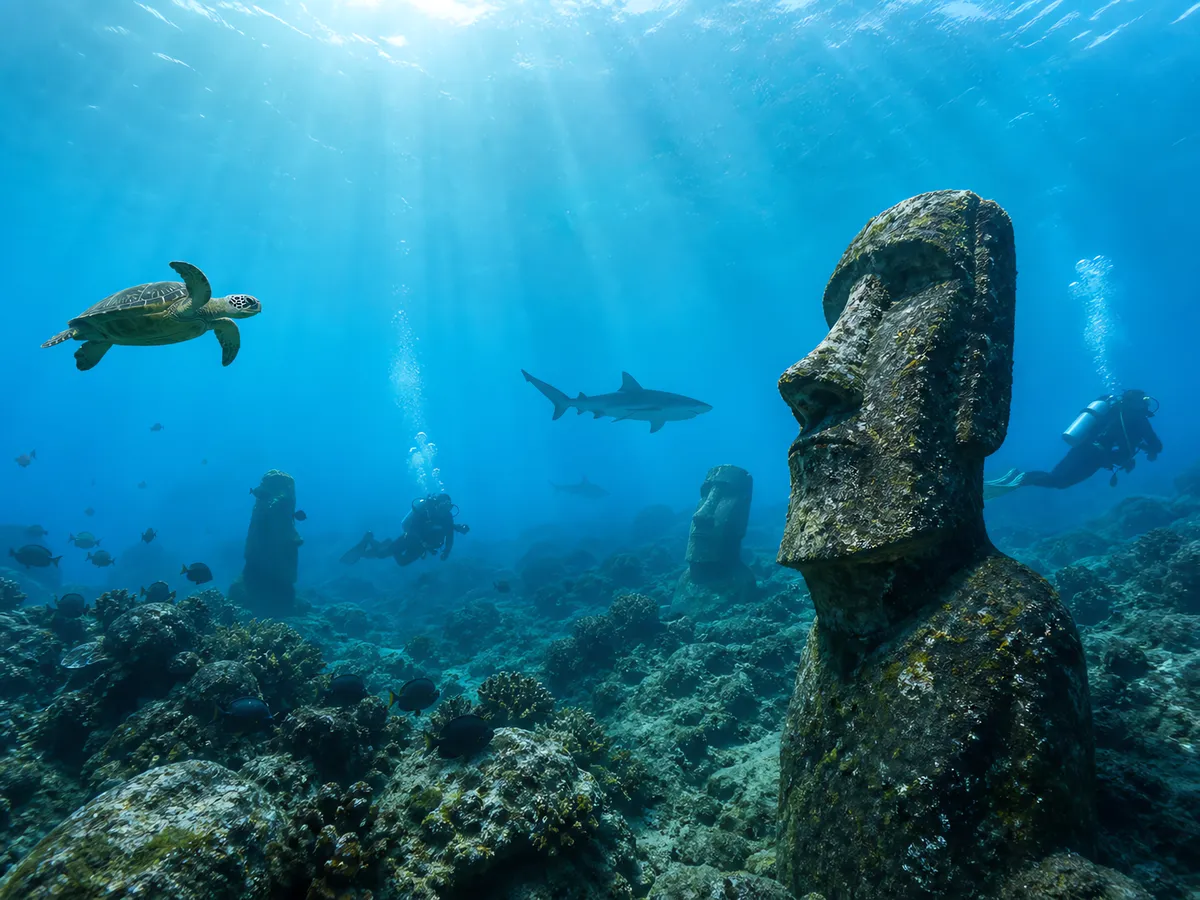
Easter Island (Rapa Nui)
Cave diving with visibility up to 30 m, 4 standout species — a strong choice for experienced divers.
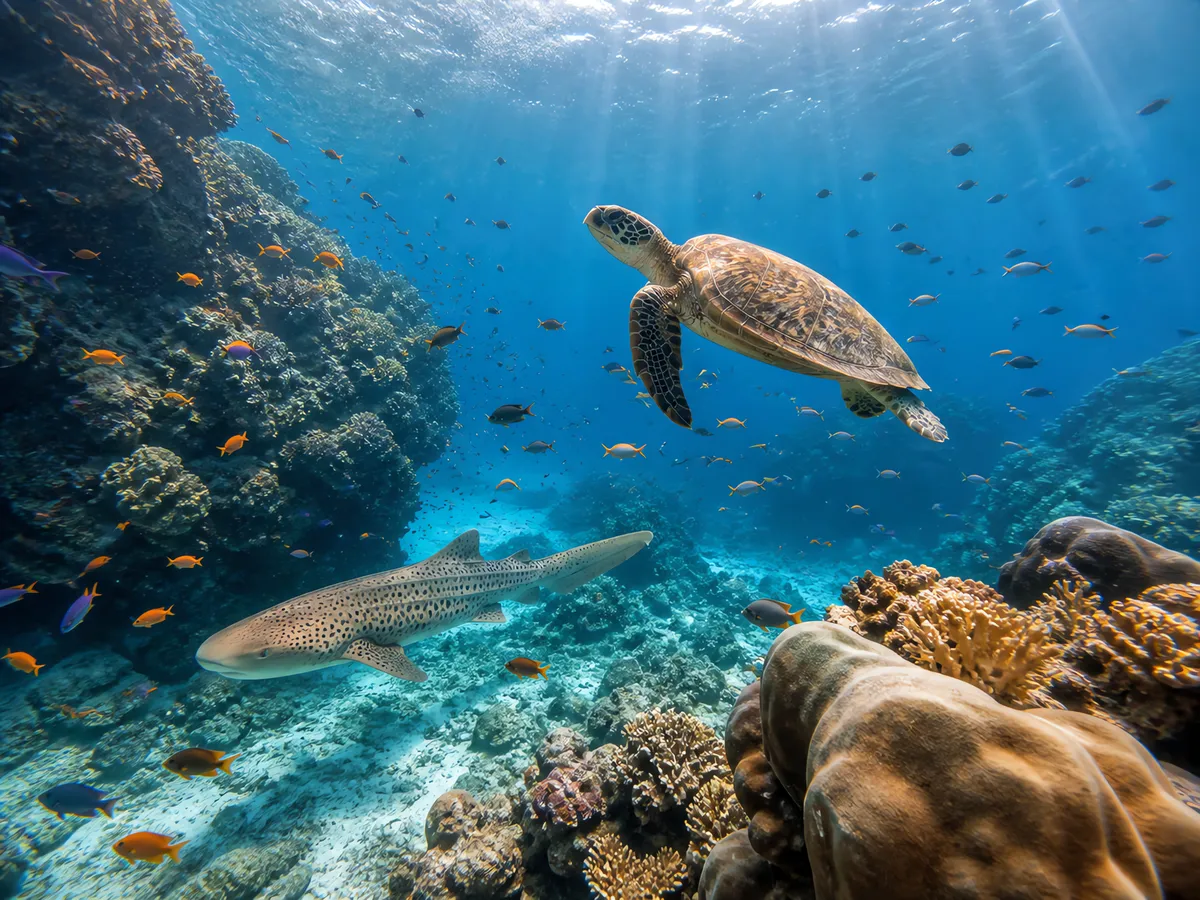
Koh Bida Nok
Wall-and-reef diving with 4 standout species — a great fit for most divers.
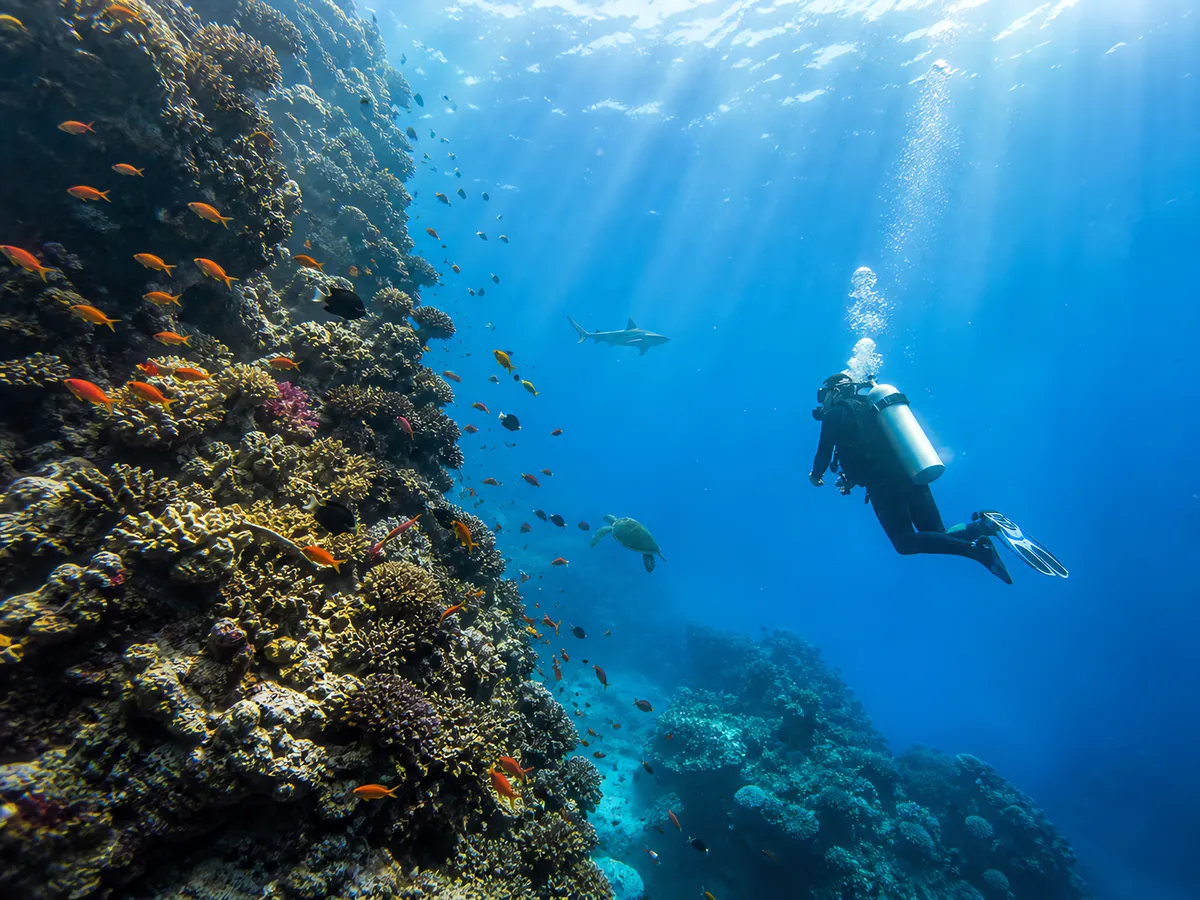
Lord Howe Island
Wall-and-reef diving with visibility up to 30 m, 4 standout species — a strong choice for experienced divers.

Raja Ampat
Wall-and-reef diving with visibility up to 25 m, 4 standout species, liveaboard access — a great fit for most divers.
Frequently asked
Do I need special training for a shark dive?
Not usually. Most shark dive sites sit within Open Water or Advanced Open Water limits; the key is comfort in the water and following a good briefing.
Are shark dives safe for beginners?
Yes, when you dive with a reputable operation. Shallow reef-shark sites are a common first taste; deeper blue-water hammerhead dives are better saved for a more experienced diver.
Should I be worried about attracting a shark?
No — sharks on a dive are there for the reef or a bait station, not you. Avoid splashing and shiny jewellery, and stay neutral in the water.