
Water temperature, visibility & currents
What to expect underwater, site by site.
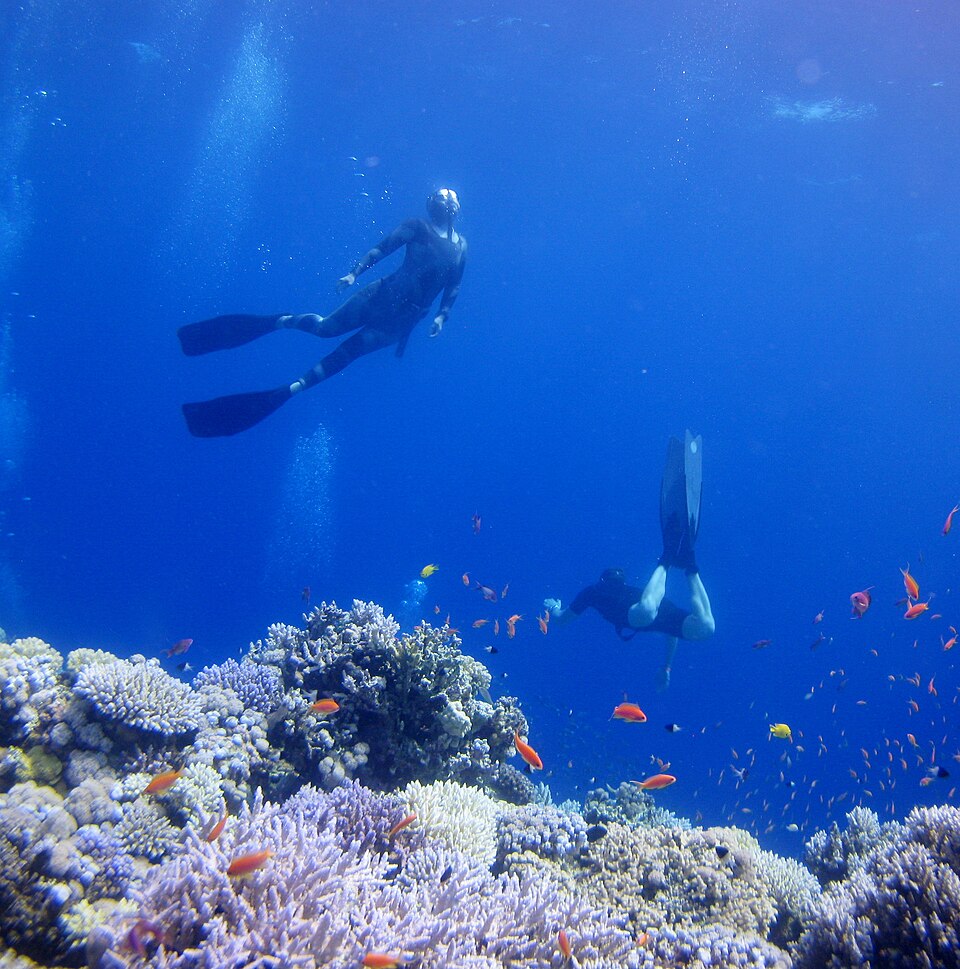
Understanding a site's water conditions tells you what to pack and what you're capable of. Temperature determines your exposure suit; visibility shapes what you'll actually see; current dictates how demanding the dive is.
The data below ranks sites by their typical visibility, so you can see where the clearest water in our database is. Review a site page for its depth, temperature, current and certification needs.
Always dress for the water you're in: the same reef can be 22°C or 30°C depending on season and latitude.
Temperature zones
Water temperature is the first thing to plan around. It drives everything from your exposure suit to how long you can comfortably stay down.
- Coldwater: single digits to low teens — a drysuit or thick semidry is usually required
- Temperate: about 15–24°C — a 5mm wetsuit covers most dives
- Tropical: 26–30°C — a shorty or a thin skin is plenty
Visibility
Visibility sets the ceiling on what you'll see. Anything over about 20m is very good; many of the best sites exceed 30m, and the clearest — often in cool, nutrient-poor water like the mid-Atlantic and polar fissures — can hit 40m or more.
Current
Current is the hidden variable. Strong current means drift dives and big, fast animals; calm water means slow, controlled exploration. Match the site to your certification and confidence, and always follow the briefing.
Clearest water
12 recommended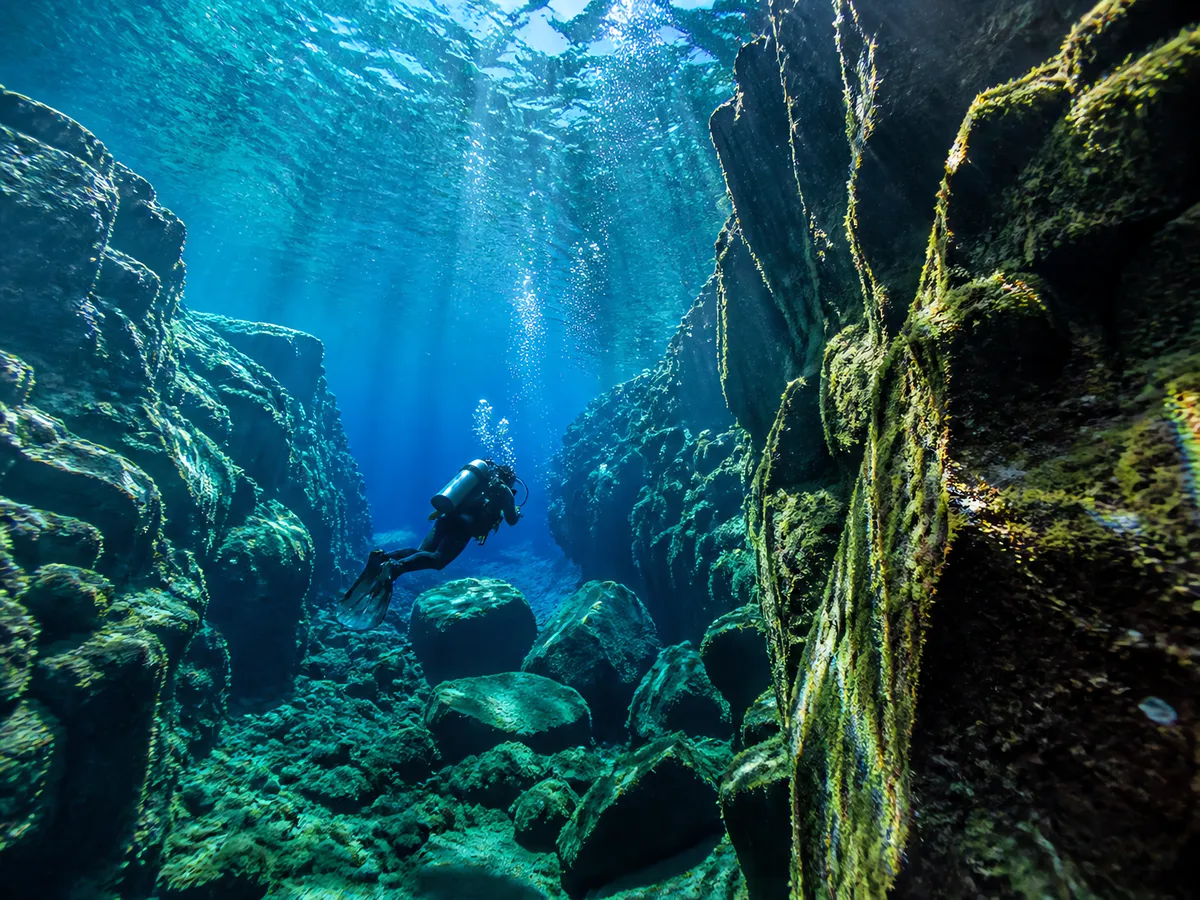
Silfra Fissure
Drift diving with visibility up to 100 m — a great fit for most divers.
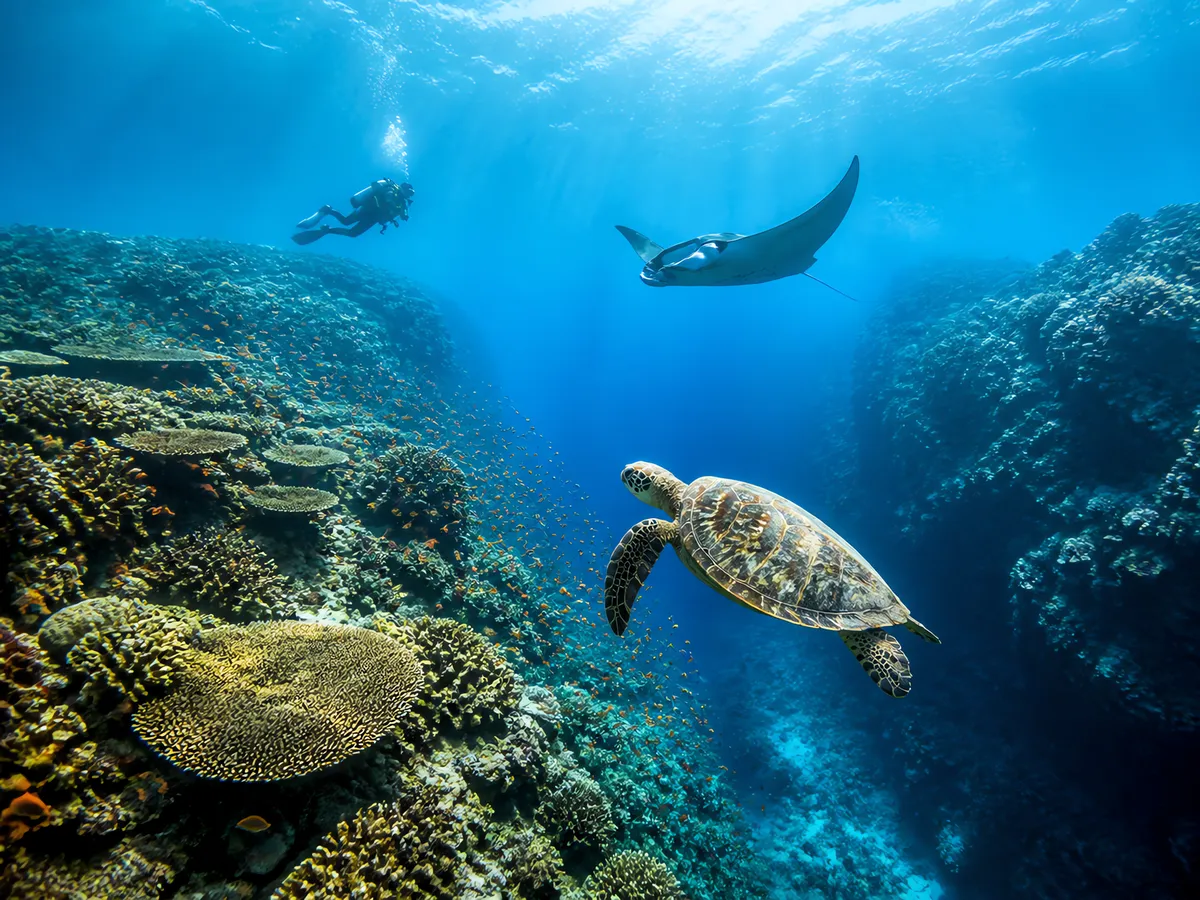
Kerama Islands
Wall-and-reef diving with visibility up to 35 m — a great fit for most divers.
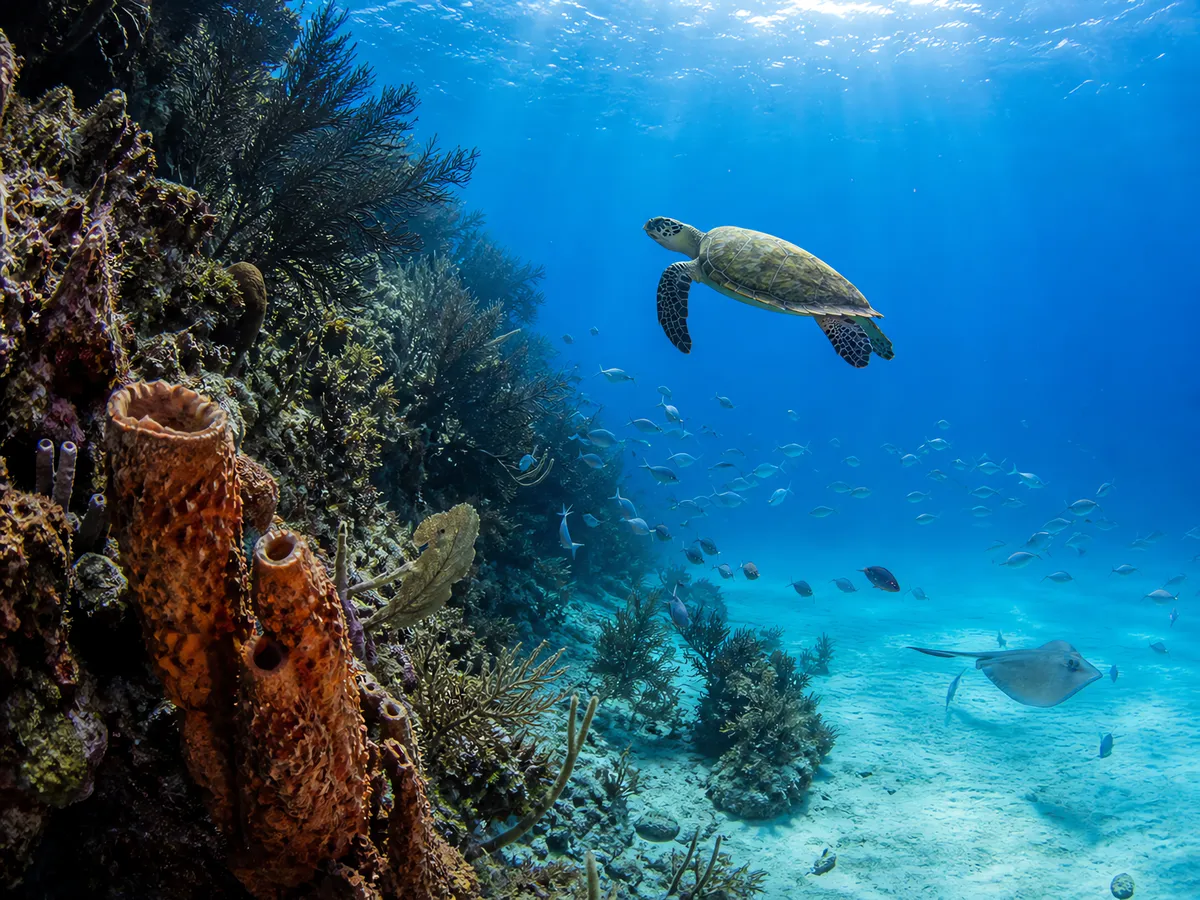
Bloody Bay Wall
Wall-and-reef diving with visibility up to 35 m, 4 standout species — a great fit for most divers.

Tubbataha Reefs Natural Park
Wall-and-reef diving with visibility up to 30 m, 4 standout species, liveaboard access, challenging currents — a strong choice for experienced divers.
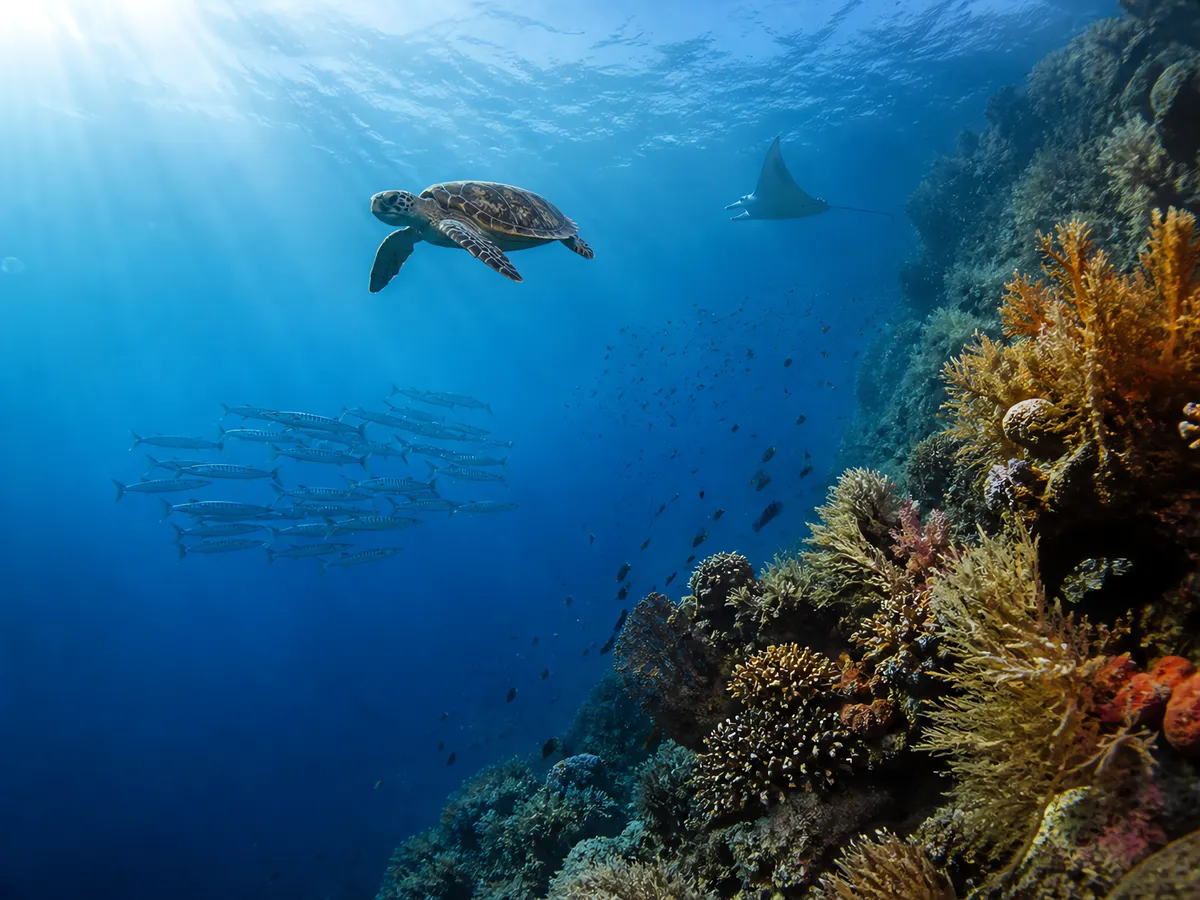
Bunaken Marine Park
Wall-and-reef diving with visibility up to 30 m, 4 standout species — a strong choice for experienced divers.

Osprey Reef
Wall-and-reef diving with visibility up to 30 m, 4 standout species, liveaboard access, challenging currents — a strong choice for experienced divers.
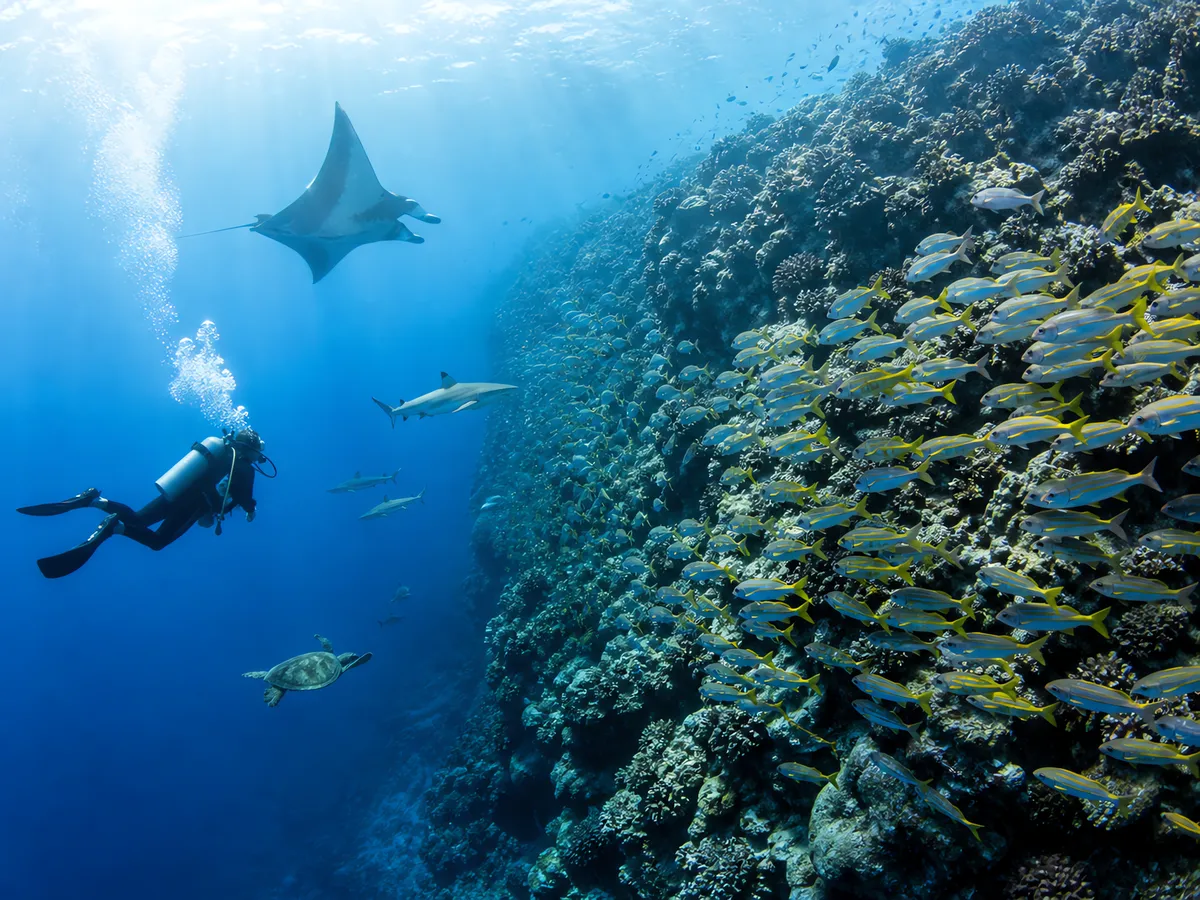
Blue Corner
Wall-and-reef diving with visibility up to 30 m, 4 standout species, challenging currents — a strong choice for experienced divers.
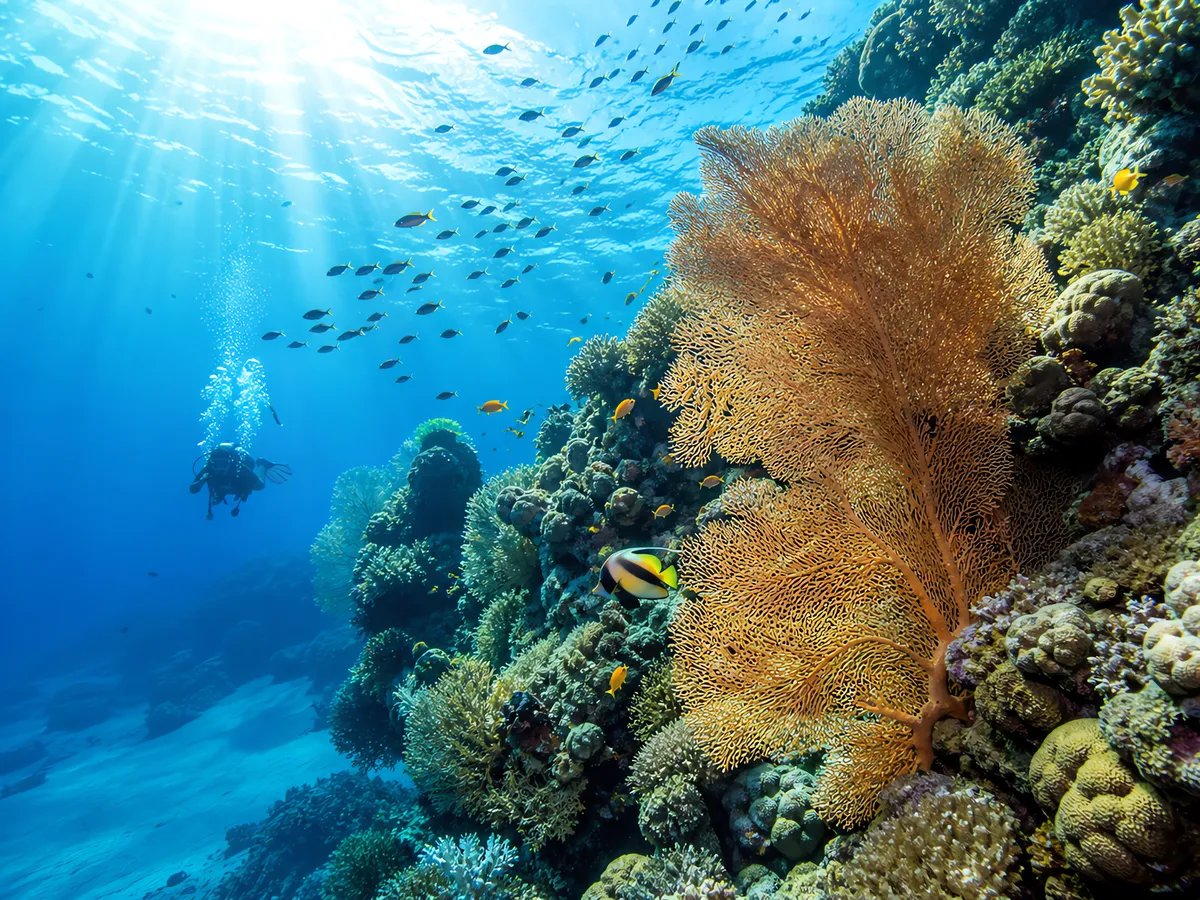
Ras Mohammed National Park
Wall-and-reef diving with visibility up to 30 m, 4 standout species — a great fit for most divers.
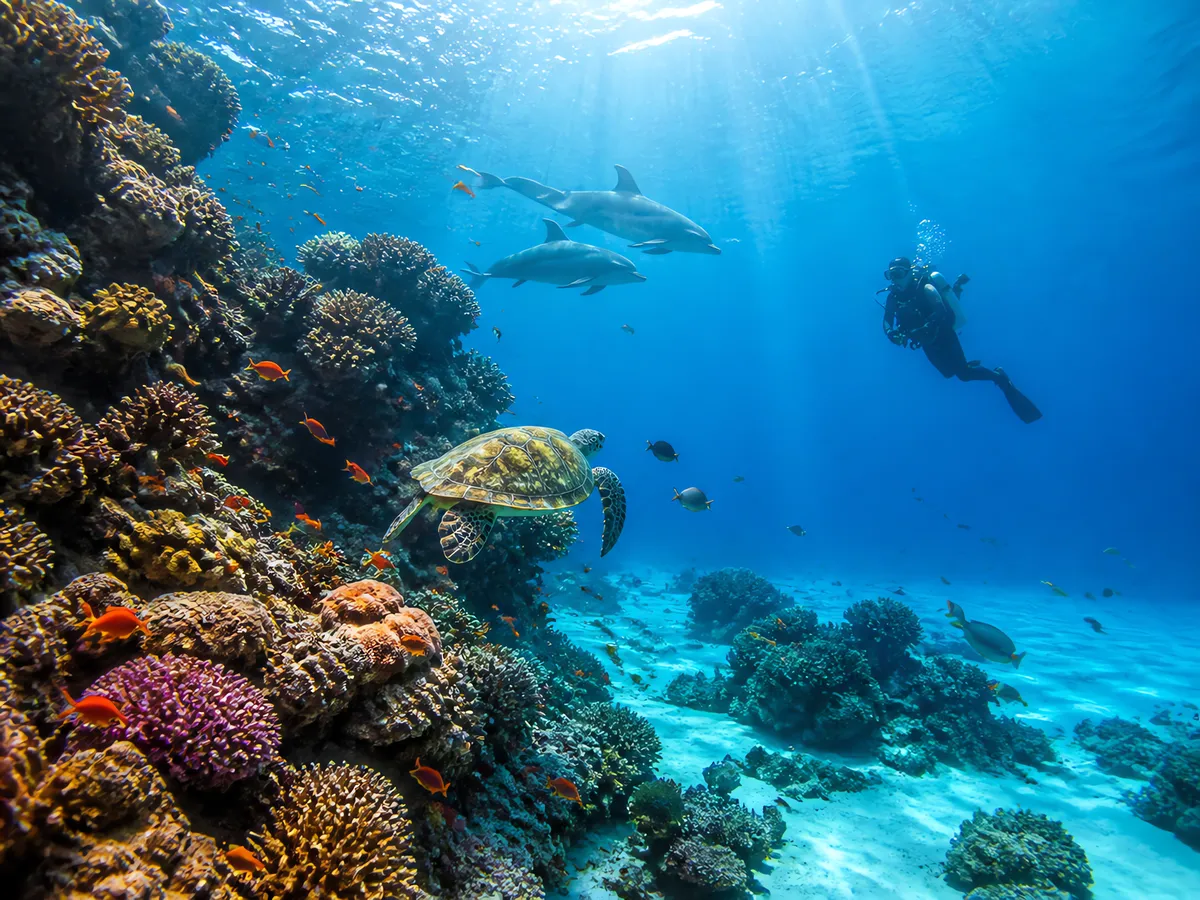
Marsa Alam
Wall-and-reef diving with visibility up to 30 m, 4 standout species — a strong choice for experienced divers.

SS Umbria
Wreck diving with visibility up to 30 m, 4 standout species, liveaboard access — a strong choice for experienced divers.
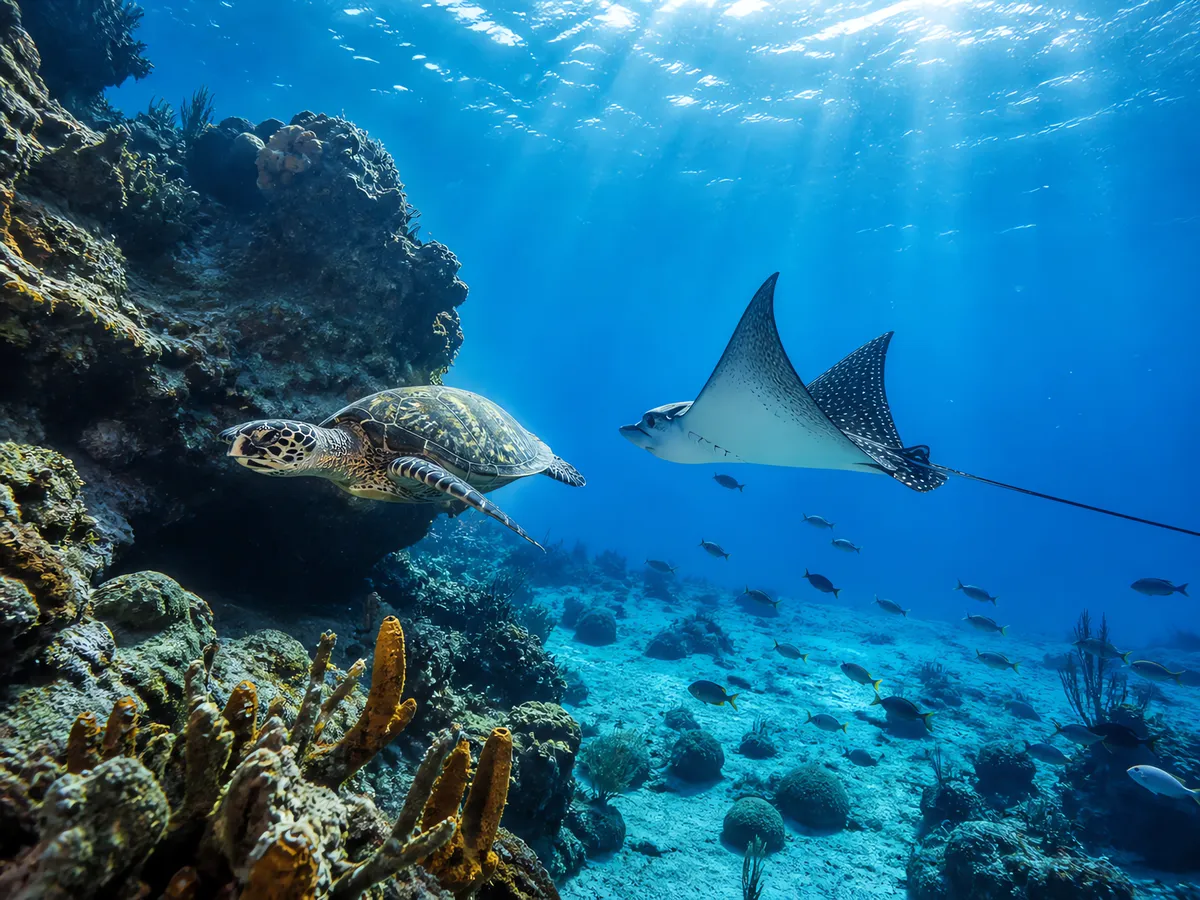
Cozumel Marine Park
Wall-and-reef diving with visibility up to 30 m, 4 standout species — a great fit for most divers.
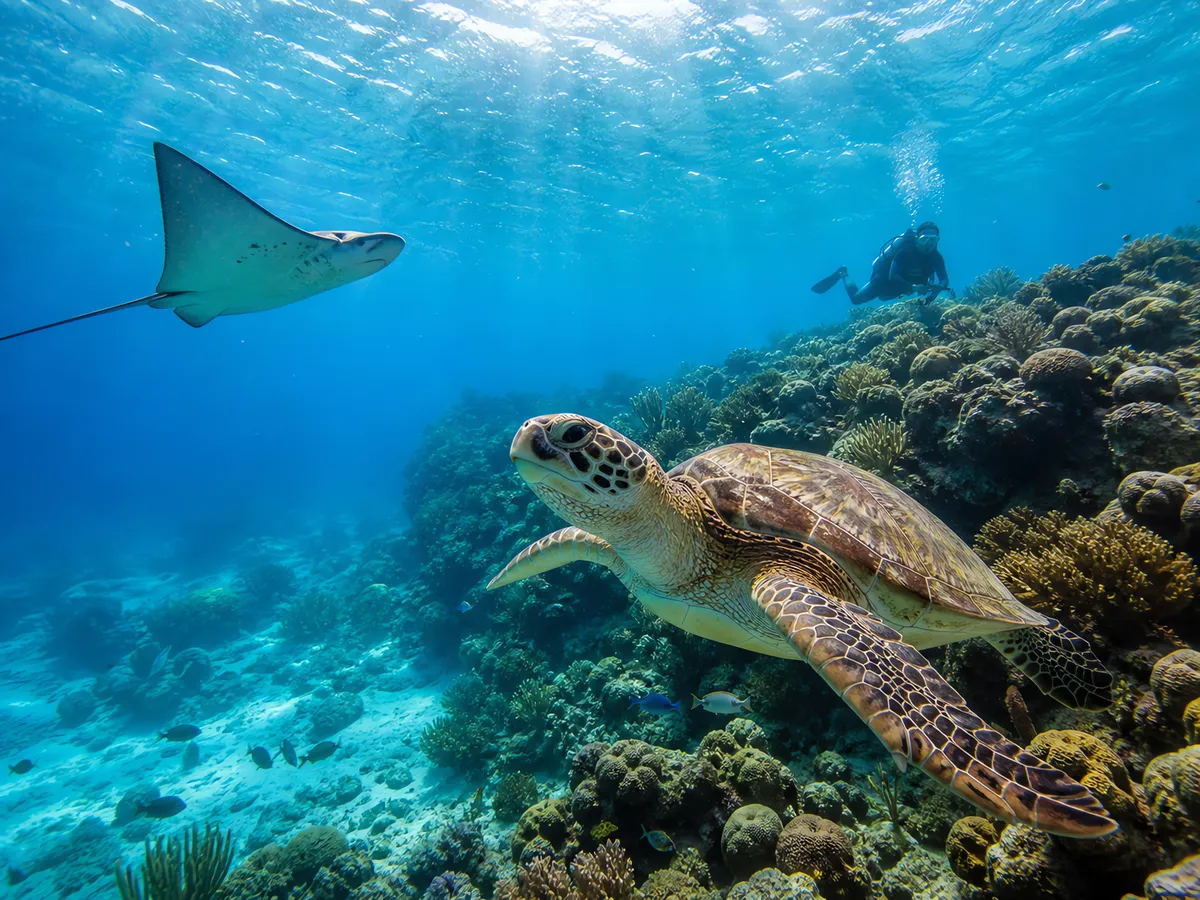
Grace Bay
Wall-and-reef diving with visibility up to 30 m — a great fit for most divers.
Frequently asked
What is considered good visibility?
Anything over about 20 m is very good; many of the best sites exceed 30 m and some hit 40 m or more.
What water temperature should I expect?
It ranges from cold-temperate (single digits to low teens) in places like Iceland, through warm Caribbean and Indo-Pacific waters in the high 20s to low 30s.
How does current change a dive?
Strong current means drift and bigger, faster animals; calm water means slow, controlled exploration. Your certification and confidence should match the conditions.