
What drift diving is (and where to do it)
Let the current carry you through the reef.
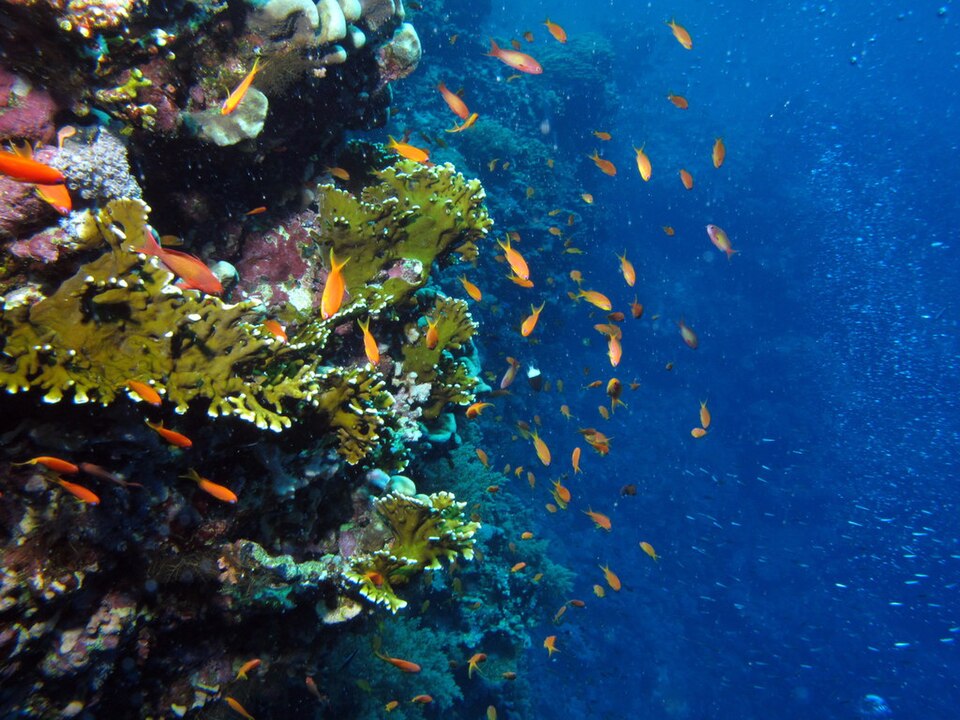
Drift diving is one of the most effortless ways to see a reef. Instead of swimming against the current, you let it take you — gliding along a wall or over a plateau while the reef and its inhabitants stream past.
It's a fast, expansive way to cover ground and see big landscapes: coral walls, schooling fish, and pelagics patrolling the edge. The trick is relaxation — once you stop fighting the current, a drift dive is almost like flying.
The list below shows the drift-diving sites in our database, ranked by overall score. Most are fun for intermediate divers and above, where good buoyancy and a relaxed body make all the difference.
How a drift dive works
You enter with the operator's briefing, descend, and let the current move you along the reef. The boat follows the divers on the surface — usually by tracking a marker buoy that trails the group — and picks you up at the end. Your job is to stay loose, stay near the group, and enjoy the ride.
Who it's for
Drift dives vary hugely in strength. A gentle drift on a calm site is within reach of many Open Water divers; a strong current on an outside wall demands confident buoyancy and is better for Advanced divers. Always ask about current strength before you commit.
What to watch
Drift sites often turn up the big stuff: schooling fish, sharks on the edge of the blue, and coral walls that look best when you're moving past them. Keep your gauges in sight and stay aware of your depth as the terrain drops away.
Top sites for this
12 recommended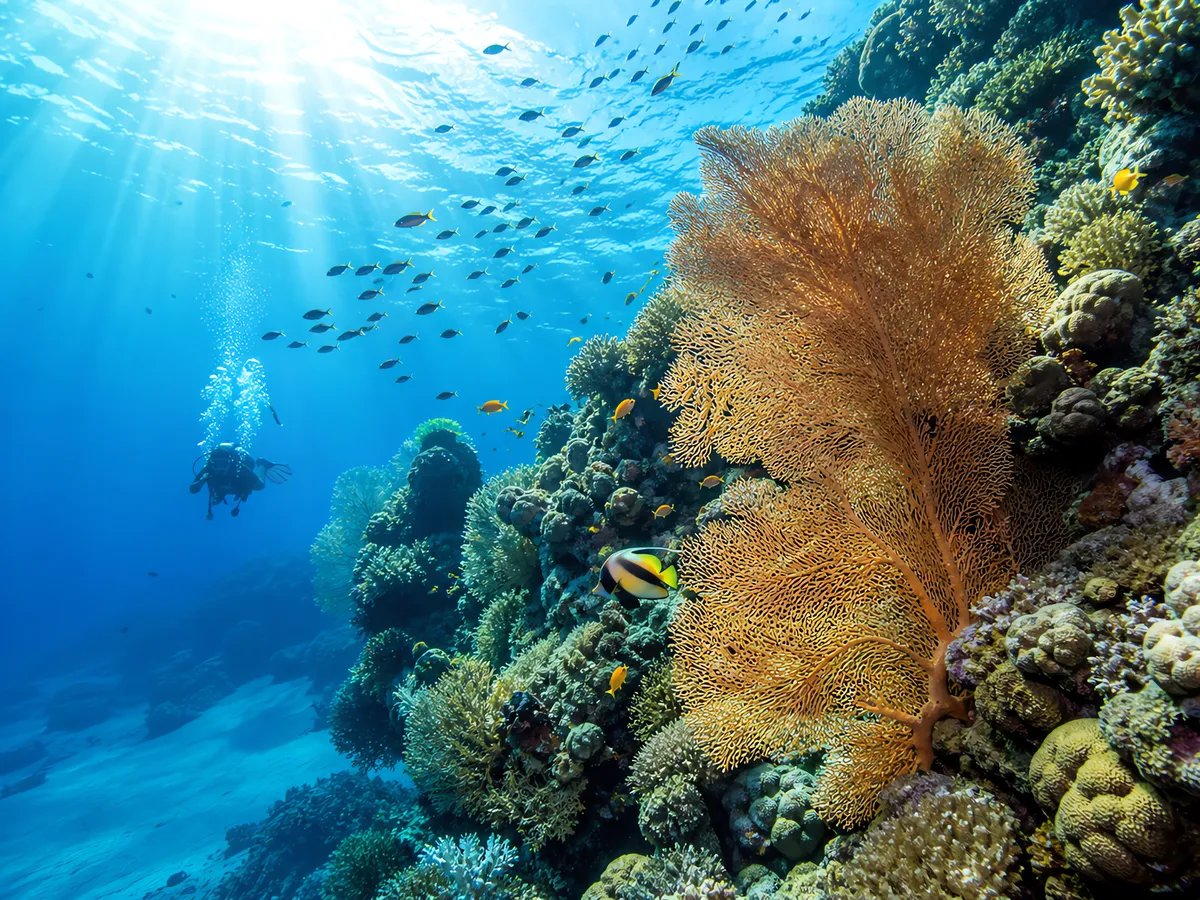
Ras Mohammed National Park
Wall-and-reef diving with visibility up to 30 m, 4 standout species — a great fit for most divers.
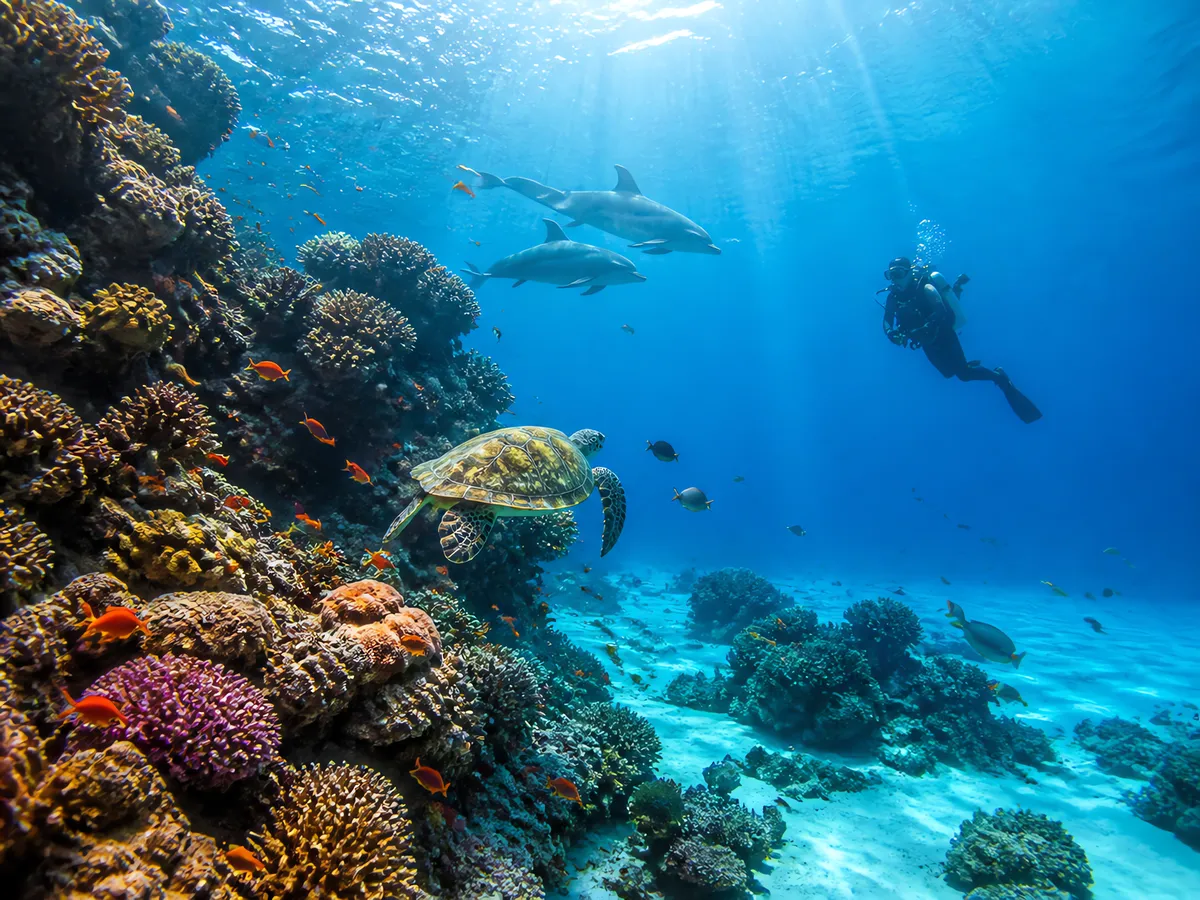
Marsa Alam
Wall-and-reef diving with visibility up to 30 m, 4 standout species — a strong choice for experienced divers.
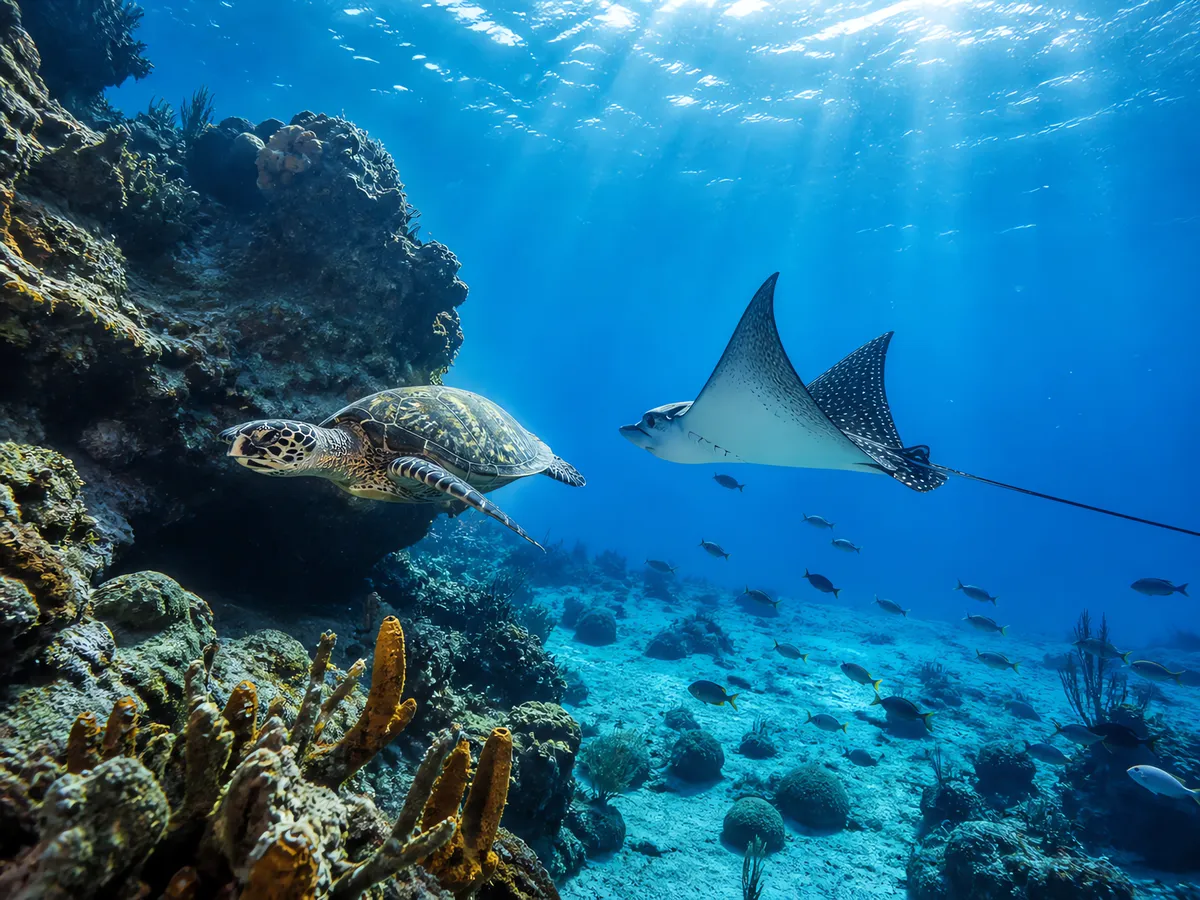
Cozumel Marine Park
Wall-and-reef diving with visibility up to 30 m, 4 standout species — a great fit for most divers.
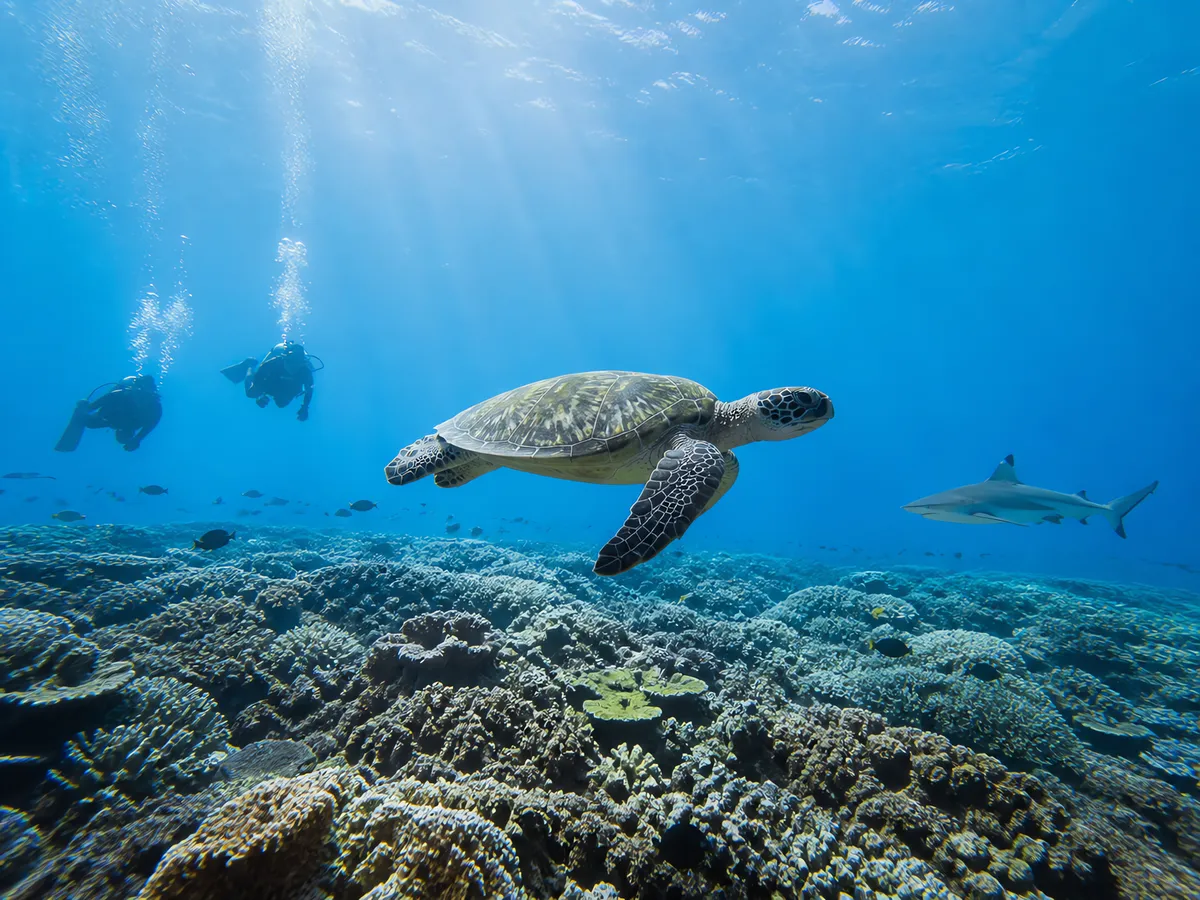
Miyako Islands
Drift diving with visibility up to 30 m — ideal for newcomers.
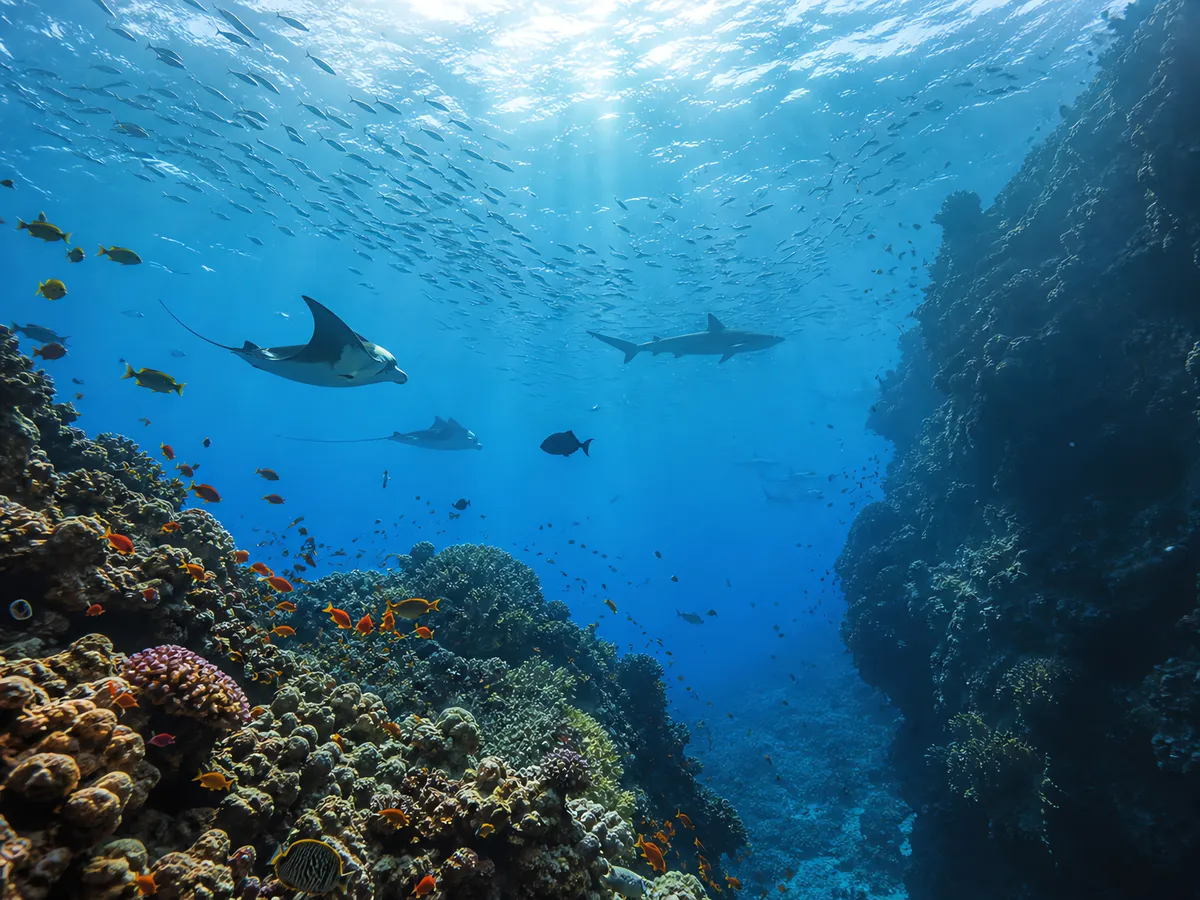
Elphinstone Reef
Wall-and-reef diving with visibility up to 30 m, 4 standout species, liveaboard access, challenging currents — a strong choice for experienced divers.
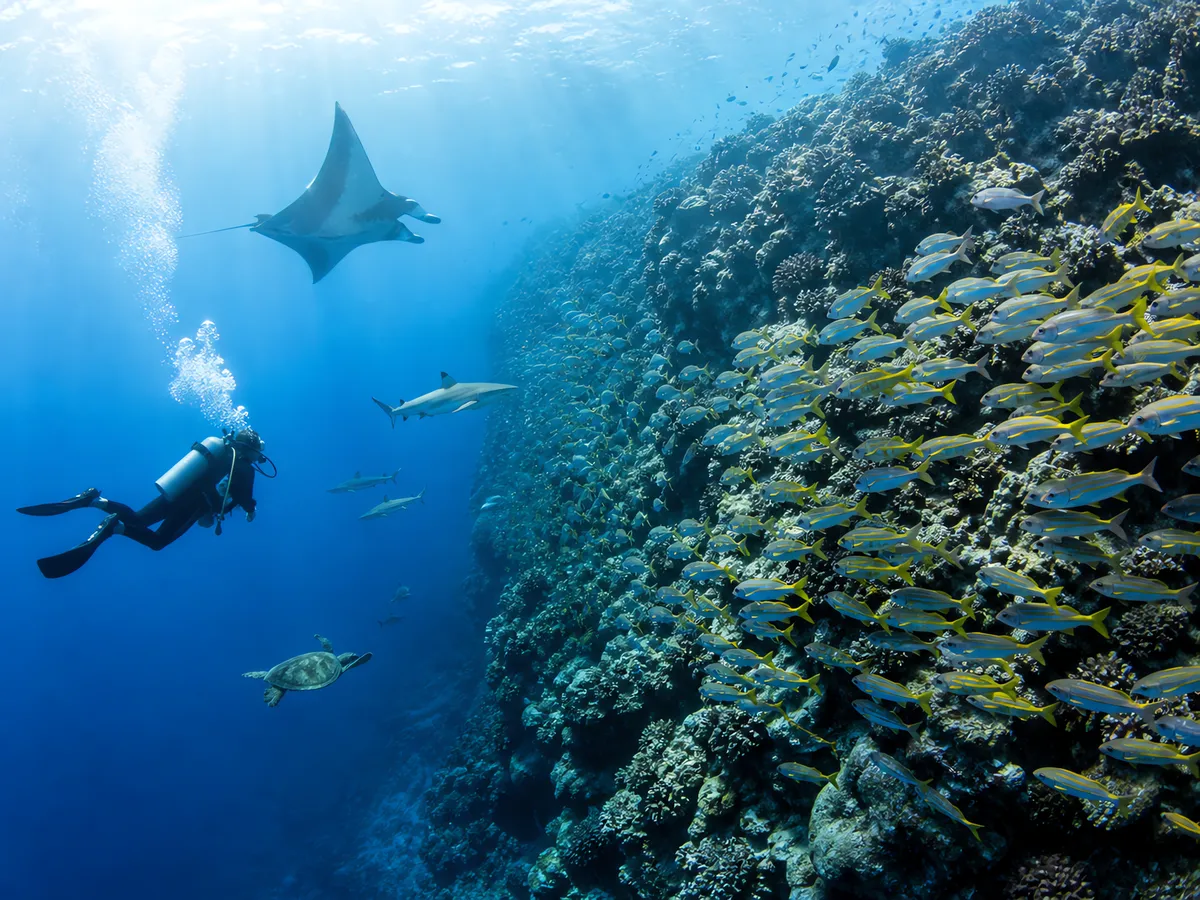
Blue Corner
Wall-and-reef diving with visibility up to 30 m, 4 standout species, challenging currents — a strong choice for experienced divers.
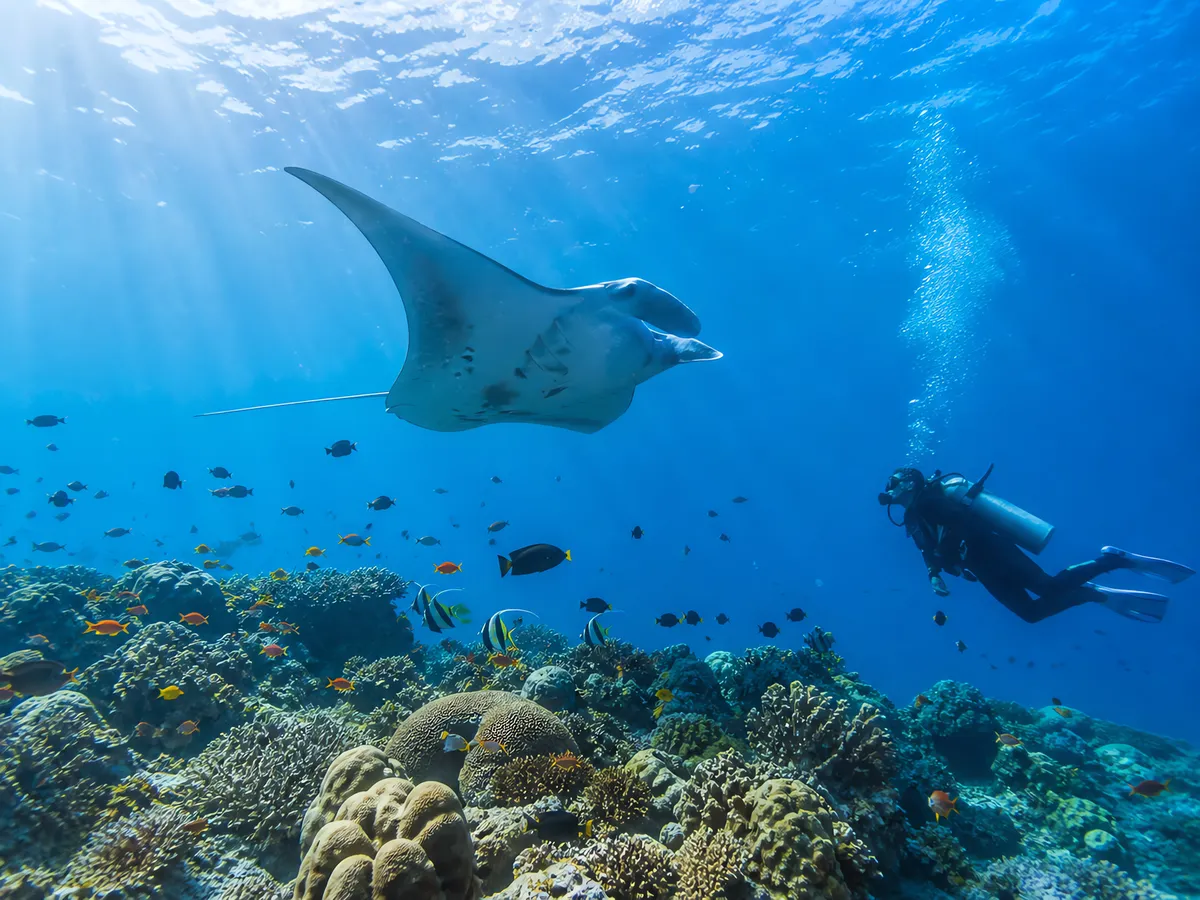
Nusa Lembongan
Drift diving with 4 standout species — ideal for newcomers.
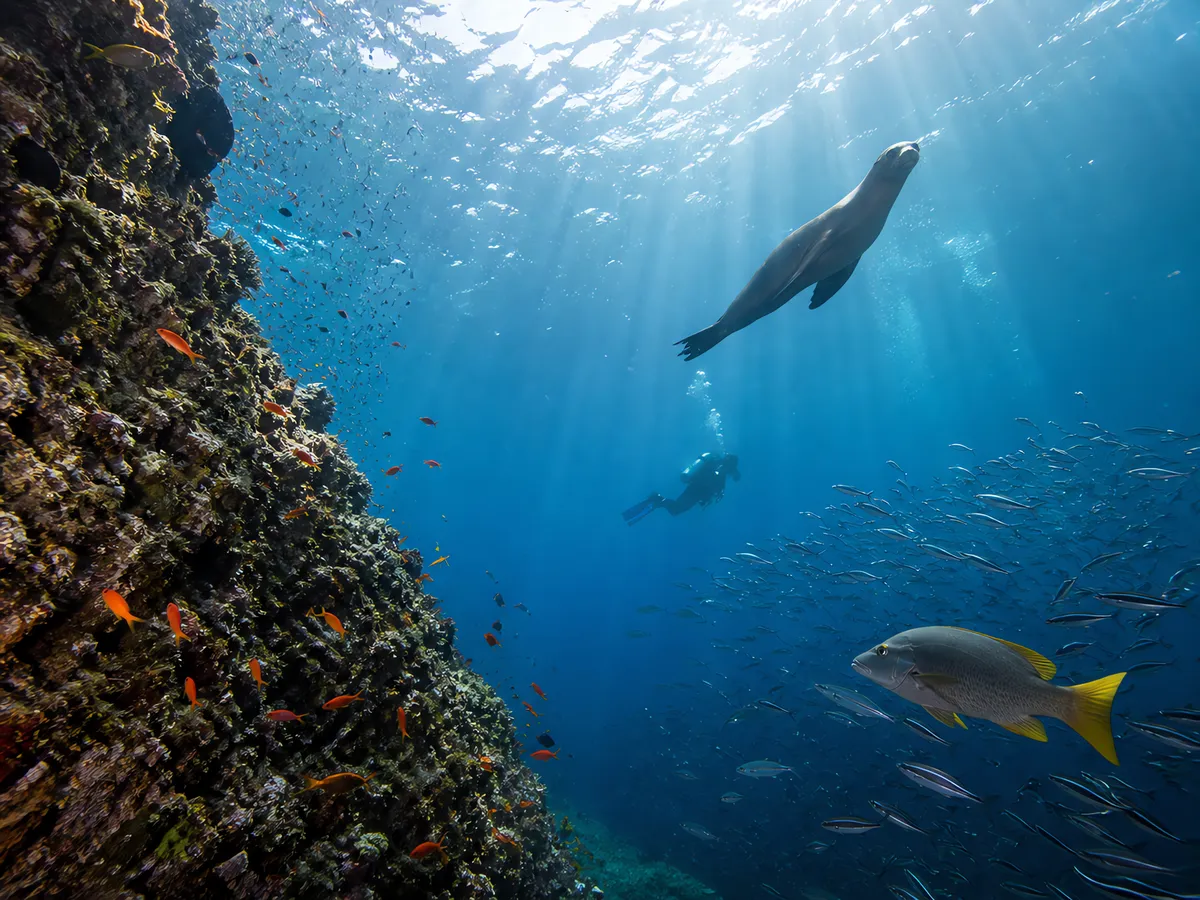
Cabo San Lucas
Wall-and-reef diving with 4 standout species, challenging currents — a strong choice for experienced divers.

Komodo National Park
Wall-and-reef diving with visibility up to 25 m, 4 standout species, liveaboard access, challenging currents — a strong choice for experienced divers.

Ishigaki Island
Drift diving with visibility up to 25 m — a great fit for most divers.

Ari Atoll
Wall-and-reef diving with visibility up to 25 m, liveaboard access, challenging currents — a strong choice for experienced divers.
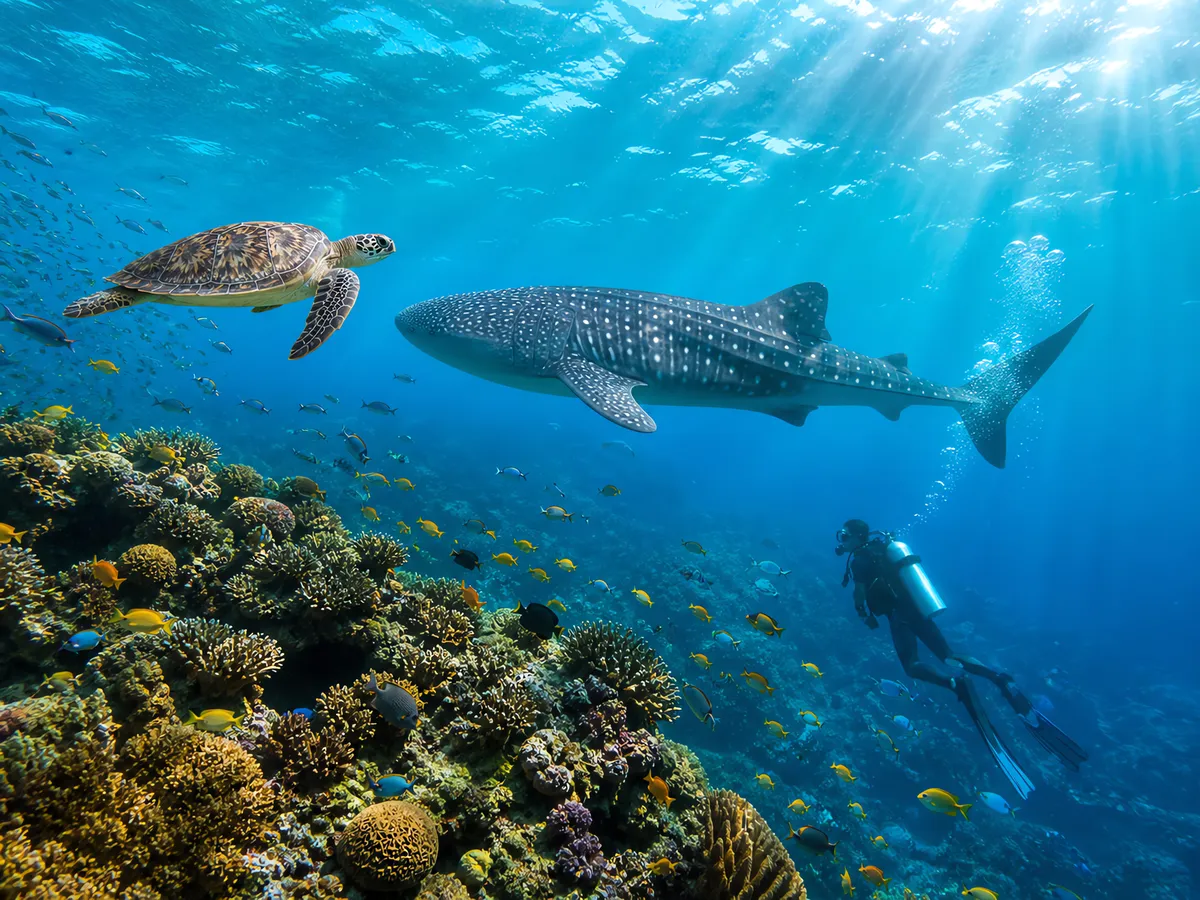
Isla Mujeres
Drift diving with a well-rounded site — a great fit for most divers.
Frequently asked
Is drift diving harder than normal diving?
It's different, not necessarily harder. The current does the work, but you need calm, neutral buoyancy and the confidence to read a current and stay near your guide.
Do I need special training?
No dedicated certification is required for gentle drifts, but a current-heavy site is better with AOW-level skills. Some operators offer a "drift specialty" if you want structured practice.
Should beginners try drift diving?
On a gentle, shallow site with a good operator, yes — but start somewhere calm and progress to stronger currents as your buoyancy improves.